The Antique Heriz and Serapi rug collection showcases some of the most recognizable Persian rug types, known for their architectural geometry, saturated color, and lasting quality.
Serapi rugs are admired for their clarity of design and softer palettes, while Antique Heriz rugs often lean bolder, with deep reds, inky blues, and large-scale medallions that command attention. Both styles are considered masterworks of handwoven Persian rugs, carrying the strength of tribal design and the refinement of generations-old technique.
Many pieces in this collection are more than a century old and still structurally sound. Their strong geometry suits traditional, transitional, and modern rooms alike.
Explore Heriz Persian rugs below, or visit our Boston, Salem, and Framingham showrooms to find the right one for your space.
Why Choose Antique Heriz & Serapi Rugs
Some rugs are made to blend in. Antique Heriz & Serapi rugs are made to lead.
Bold medallions, angular motifs, and layered color give them the presence to anchor a classic room or add contrast to a modern one. These heirloom rugs are made using dense wool and a sturdy weave to withstand foot traffic, which is why so many have lasted more than a hundred years.
If you’re looking for pieces that bridge classic and contemporary, explore our transitional rugs.
Heriz vs. Serapi Rugs
Heriz and Serapi rugs share a region, but they differ in age, weave, and character.
-
Age: Serapi rugs were generally woven in the late 19th and early 20th centuries. Heriz rugs continued in production well into the 20th century.
-
Weave: Serapi rugs are usually more finely knotted, with more refined drawing. Heriz rugs have a coarser, denser weave that makes them especially hard-wearing.
-
Design: A Serapi often has an open field with plenty of space between motifs. A Heriz tends toward a fuller, more graphic layout around a strong central medallion.
-
Color: Serapi palettes are softer, with camel, ivory, salmon, and faded blue. Heriz rugs favor madder red, rust, indigo, and ivory.
-
Price: Because they are older and rarer, Serapi rugs usually command a higher price than a Heriz of similar size and condition.
Buyers looking for a Heriz Serapi rug often want the best of both: Heriz durability with Serapi refinement.
Craftsmanship and Materials
Rug Origins and Design Characteristics
The Heriz district includes several weaving villages, each with its own character.
Alongside Heriz and Serapi pieces, the collection includes rugs from Ahar, Bakshaish, and Karaja, all from the same corner of northwest Iran. The antique Heriz rugs here date mainly from about 1910 to 1925, while related pieces from the district go back as far as the 1880s.
For more rugs with strong geometry and village character, view our tribal rugs.
Materials and Techniques
Each piece in this collection is a handwoven Persian rug, made using time-honored techniques passed down through generations. The wool is often dyed with plant-based pigments and hand-knotted on a cotton foundation over months or years, depending on scale. Many rugs show abrash, gentle shifts in color that add to their unique appearance.
Delivery and Care Information
Shipping
We offer insured UPS Ground shipping within the continental U.S. For oversized or high-value pieces, we may coordinate with specialty carriers to ensure your rug arrives safely. If you’re local to one of our showrooms, white-glove delivery may be available on request.
Care and Maintenance
Vacuum regularly using suction only, with no rotating brushes. Rotate your rug every few months to distribute wear evenly, and blot spills immediately with a clean, dry cloth. For deep cleaning or restoration, our rug cleaning team uses a washing process designed for Persian Heriz rugs and antique textiles.
Heriz and Serapi Rugs: FAQs
What is a Heriz rug?
A Heriz rug is hand-knotted in the Heriz district of northwest Iran, near Mount Sabalan. This area is known for producing durable, large-format rugs with strong tribal influence, distinct design language, and richly layered colors like brick red, navy, ivory, and soft gold.
What is a Serapi rug?
A Serapi rug is a rare antique Persian rug woven in the Heriz district of northwest Iran, mainly in the late 19th and early 20th centuries. These rugs are admired for their balanced designs, open spacing, and softer color palettes. Compared with later Heriz rugs, Serapis tend to have a more refined weave and a calmer architectural presence.
What is the difference between a Heriz rug and a Serapi rug?
A Serapi is the older, finer, and rarer grade of rug from the Heriz district, while a Heriz tends to be more graphic and densely patterned, with bolder contrast and a sturdier weave. Serapi rugs usually command a higher price, while Heriz rugs are prized for their durability.
Are Serapi rugs good quality?
Yes. Serapi rugs are among the most prized handwoven Persian rugs, not only for their aesthetic clarity but also for their durability. Many pieces over a century old still retain vibrant color and structural integrity, thanks to high-quality wool and expert craftsmanship.
How much is a Heriz rug worth?
A Heriz rug’s value depends on its size, age, grade, condition, wool quality, and dyes, rather than a set price. Larger, older pieces in good condition with natural dyes are generally the most valuable. Our team offers rug appraisals led by ORRA-accredited specialists.
Is a Heriz carpet the same as a Heriz rug?
Yes. In the trade, “carpet” usually refers to a larger, room-size piece and “rug” to a smaller one, but both are hand-knotted here. The collection runs from small rugs around 2' x 3' to oversized carpets more than 11' x 18', plus runners up to nearly 14' long.
Are Heriz rugs durable enough for a dining room?
Yes. The coarse knot, dense wool, and double-wefted construction of a Heriz rug stand up well to chairs and daily traffic. Choose a size that extends at least 24" beyond the table on every side, so the chairs stay on the rug when pulled out.
 Showrooms


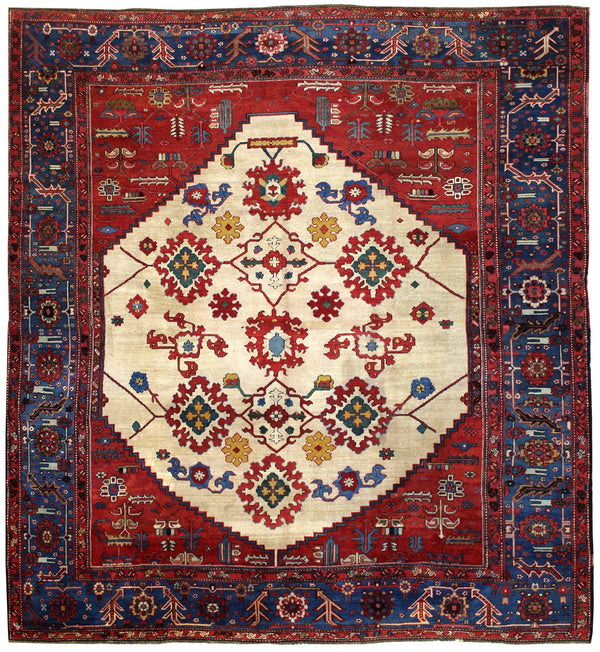 Antique Bakshaish Handwoven Tribal Rug, J62857 $16,500.00
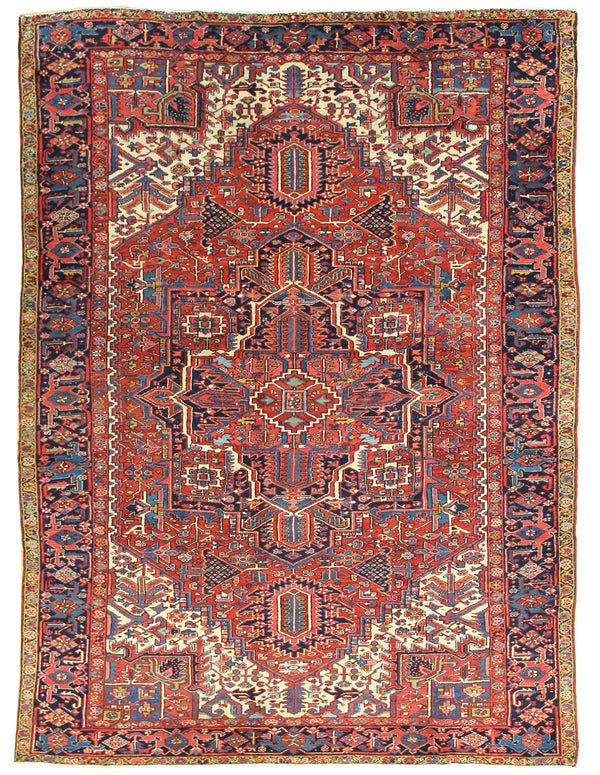 Antique Karaja Handwoven Tribal Rug, J49340 $8,500.00
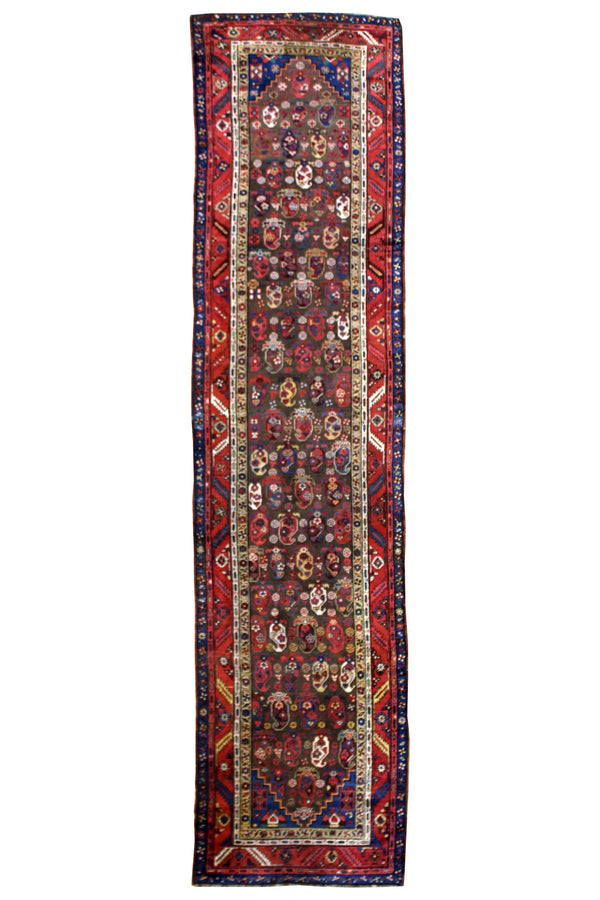 Antique Bakshaish Handwoven Tribal Rug, JF8300 $3,750.00
 Antique Serapi Handwoven Tribal Rug, J62490 $18,750.00
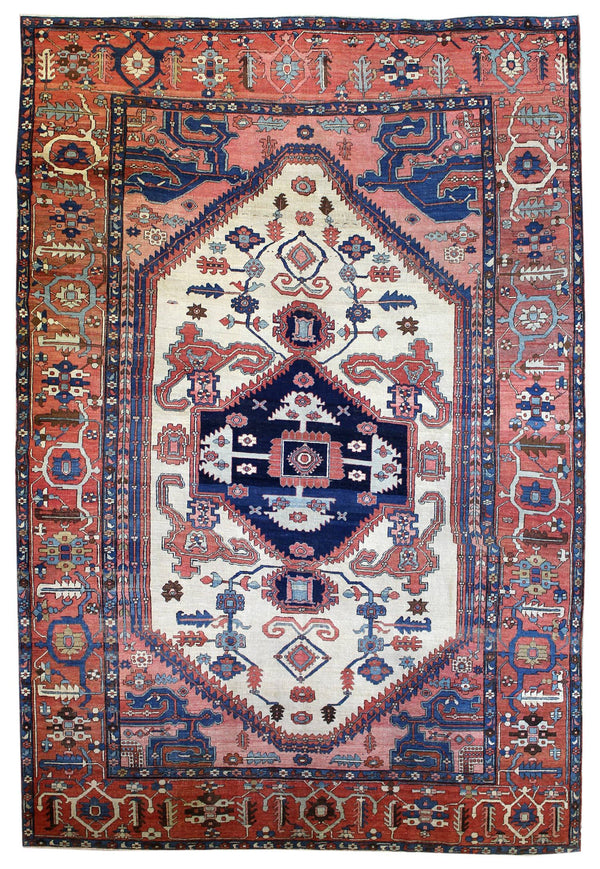 Sold out Antique Serapi Handwoven Tribal Rug, J62489 $47,500.00
 Antique Heriz Handwoven Tribal Rug, JF8291 $9,000.00
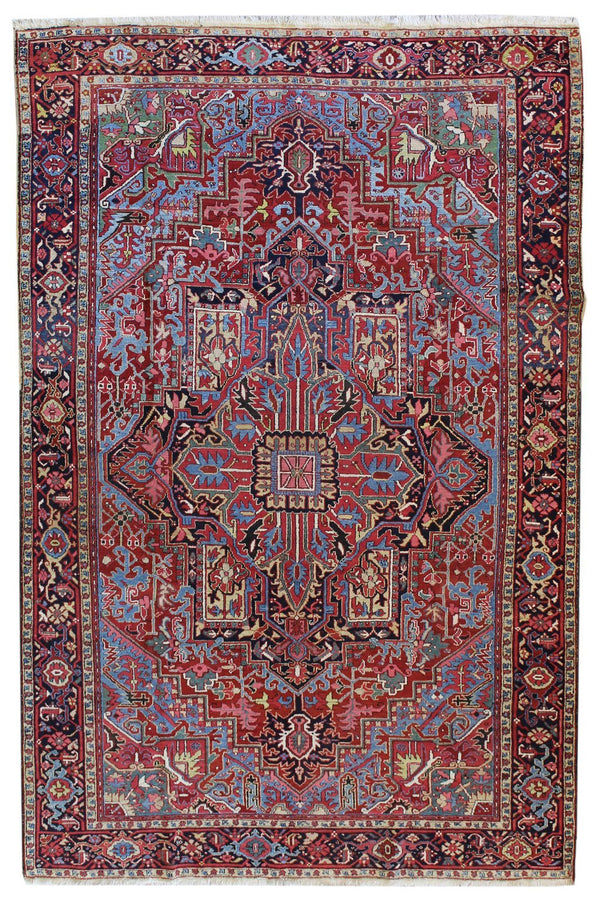 Sold out Antique HerizTribal Rug, JF8036 $9,500.00
 Antique KarajaTribal Rug, JF7841 $7,500.00
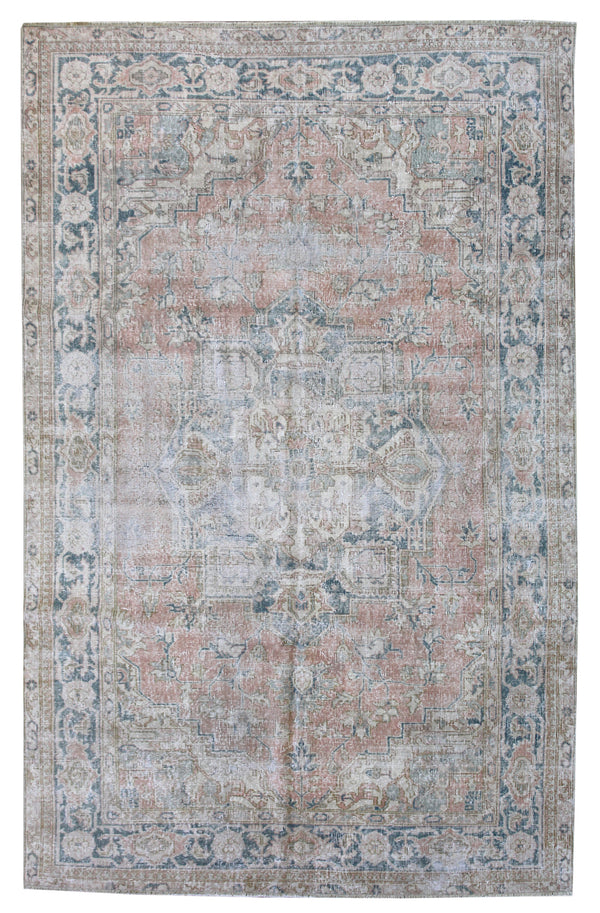 Vintage Heriz Handwoven Transitional Rug, J61677 $2,550.00
 Sold out Vintage Heriz Handwoven Tribal Rug, J61503 $7,000.00
 Vintage Heriz Handwoven Tribal Rug, J61493 $5,500.00
 Vintage Heriz Handwoven Tribal Rug, J61489 $4,800.00
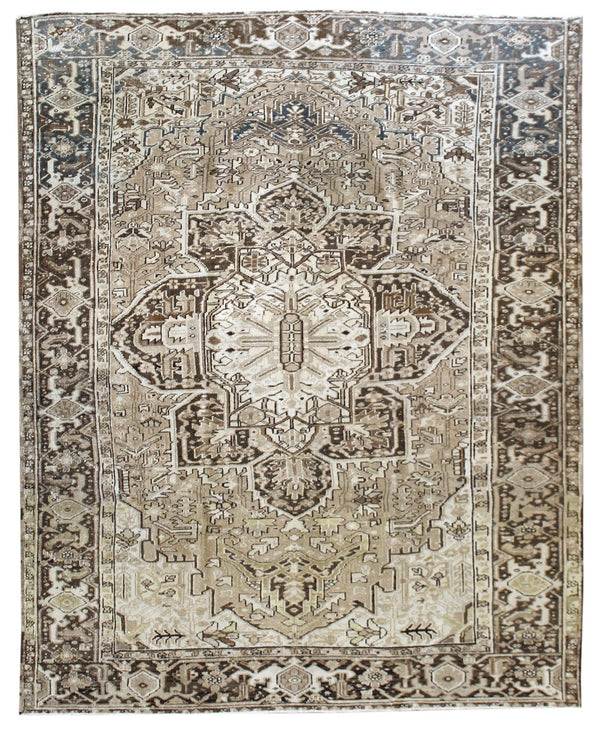 Vintage Heriz Handwoven Transitional Rug, J58794 $4,500.00
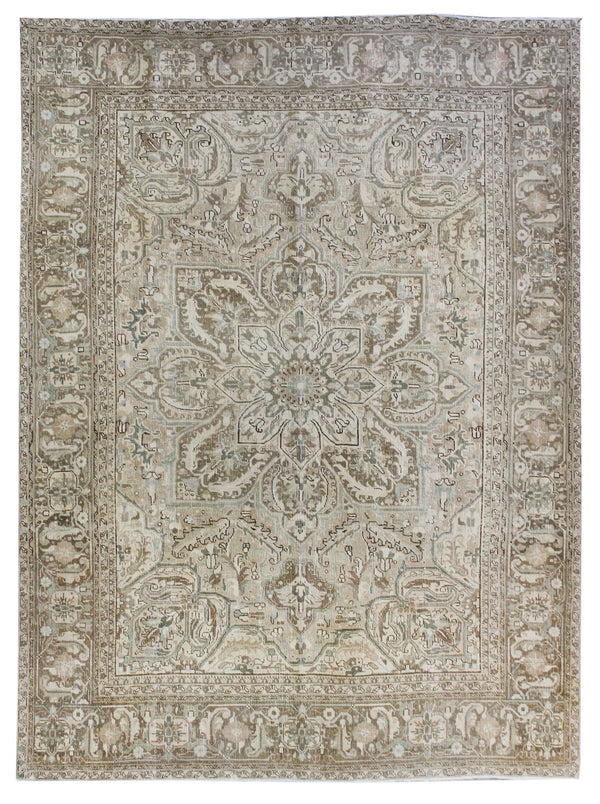 Vintage Ahar Heriz Handwoven Transitional Rug, J58791 $3,750.00
 Antique Heriz Handwoven Tribal Rug, JF8056 $7,800.00
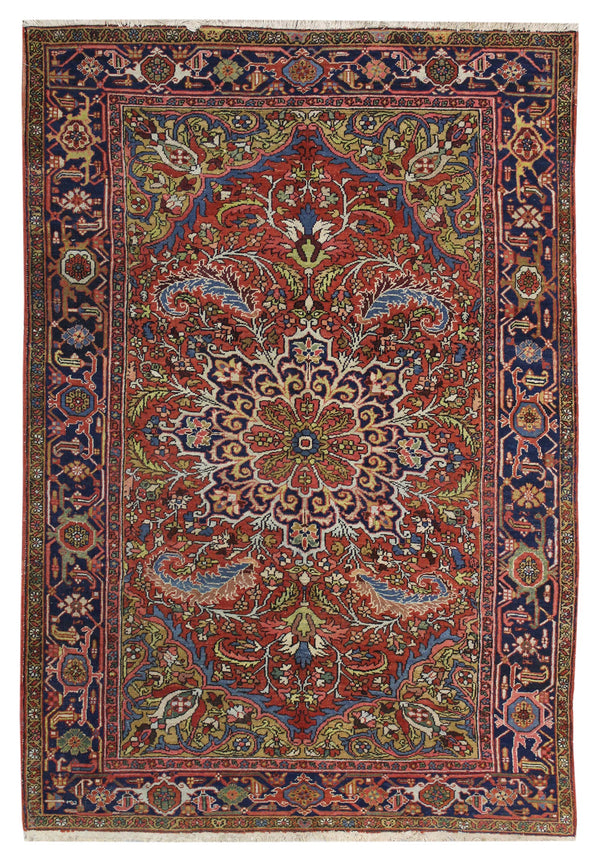 Antique Heriz Handwoven Tribal Rug, JF8034 $6,750.00
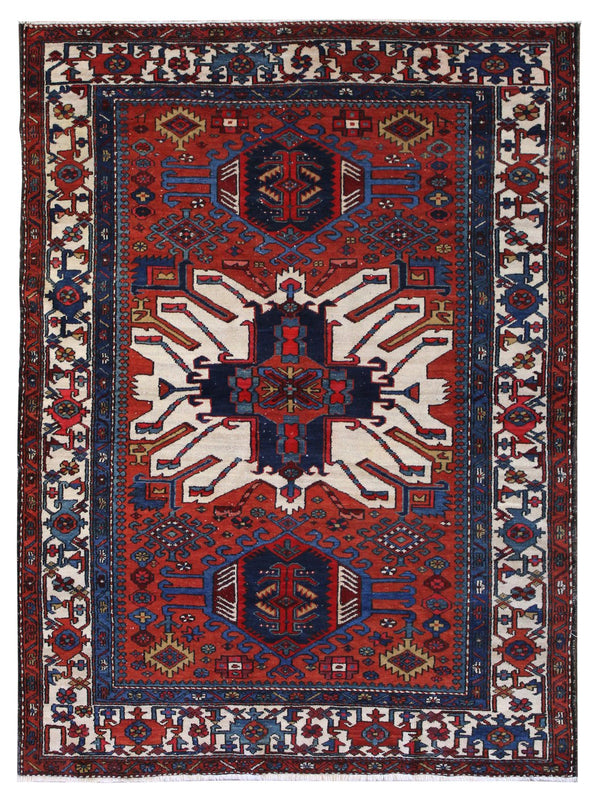 Antique Heriz Handwoven Tribal Rug, JF8001 $3,500.00
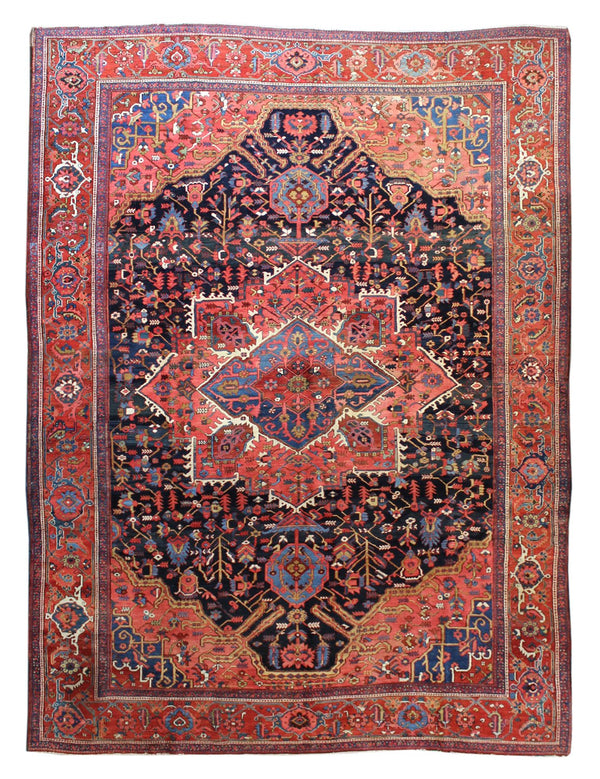 Antique Heriz Handwoven Tribal Rug, JF7978 $18,500.00
 Sold out Antique Heriz Handwoven Tribal Rug, JF7925 $7,500.00
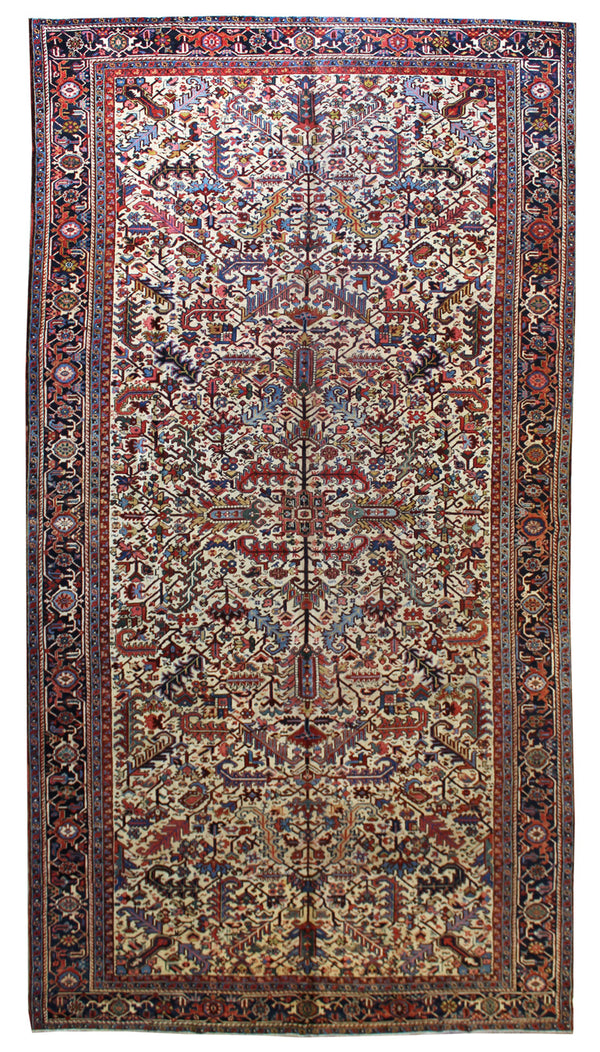 Antique Heriz Handwoven Tribal Rug, JF7905 $22,500.00
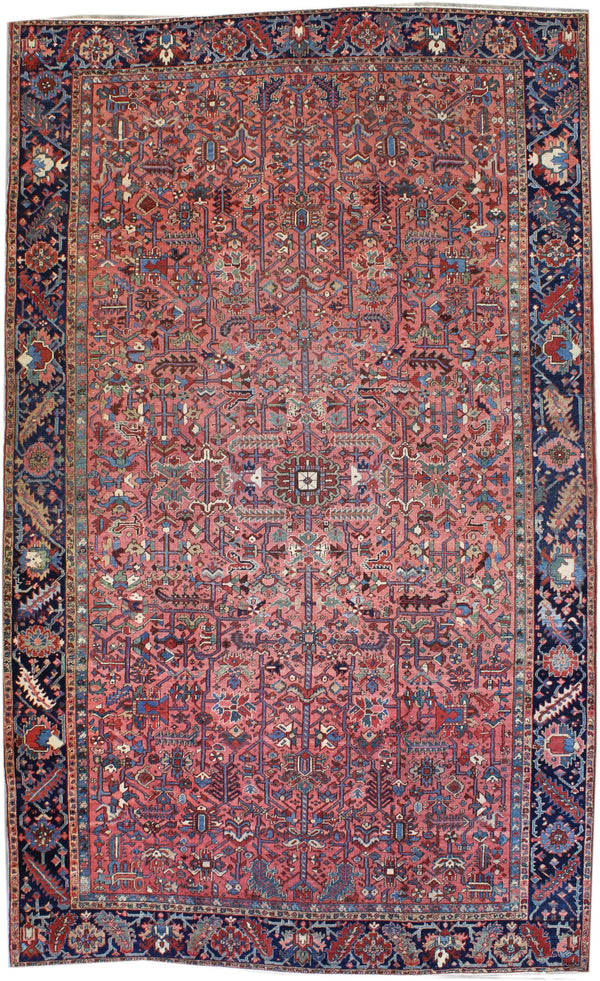 Antique Heriz Handwoven Tribal Rug, JF7888 $37,500.00
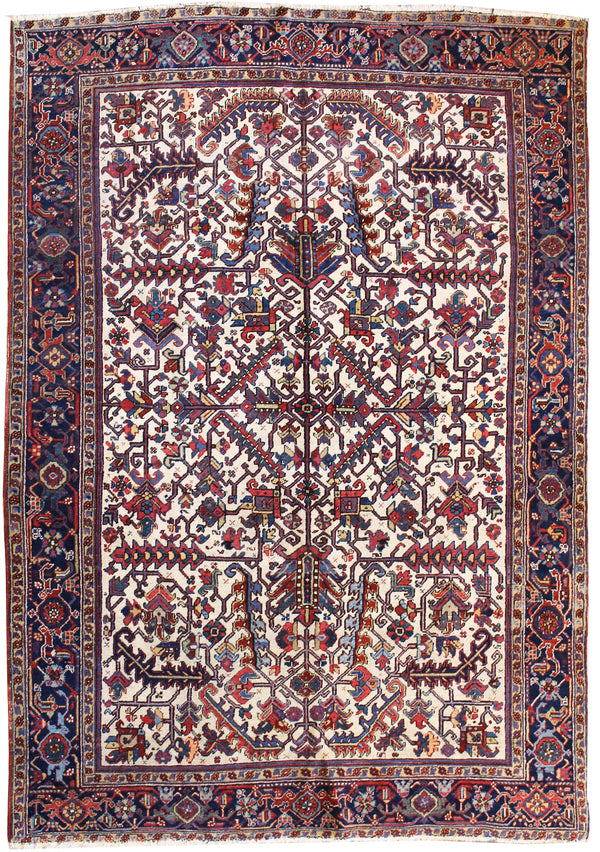 Antique Heriz Handwoven Tribal Rug, JF7827 $7,800.00
 Antique Heriz Handwoven Tribal Rug, JF7814 $4,000.00
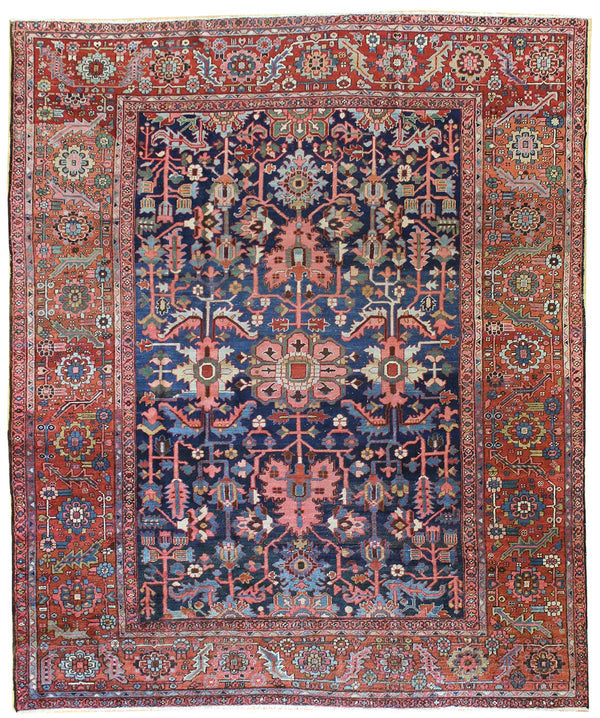 Antique Heriz Handwoven Tribal Rug, JF6986 $12,750.00


