Kashan rugs are the classic Persian carpets, known for formal central medallions, scrolling floral vines, and carefully balanced borders.
Woven in Kashan in central Iran, these hand-knotted rugs often pair deep crimson and indigo with ivory, creating the rich, composed look associated with this weaving center.
At Landry & Arcari, our collection includes nearly 100 Kashan rugs spanning antique, vintage, and newer weavings. Because condition, attribution, and dye quality can affect a Kashan rug's character and value, experience matters when comparing pieces. We've worked with Persian rugs since 1938 and can help you look beyond pattern alone to understand construction, condition, and provenance.
Visit one of our Massachusetts showrooms for rug assessment or explore our broader collection of traditional rugs, which includes Persian weaving traditions from several regions.
What Is a Kashan Rug?
Kashan rugs come from the city of Kashan in central Iran, a weaving center with roots reaching back to the Safavid era.
Origin and Design Characteristics
The classic Kashan design centers on a symmetrical central medallion, surrounded by elaborate floral vine scrolls and finished with matching corner spandrels inside a wide border. The palette leans on madder crimson, deep indigo, and ivory, often with touches of green and gold. The overall effect is orderly rather than rigid. The medallion layout establishes the structure, while the scrolling details create movement across the field.
How Kashan Rugs Are Woven
Traditional Kashan weavers often use the asymmetric Senneh knot, which allows finer curves and more detailed drawing than the symmetric knot. Many combine a dense wool pile with a cotton foundation, along with silk highlights for extra sheen and a velvety texture. That combination of dense wool pile and a strong cotton base creates a Kashan Persian rug that can withstand decades of foot traffic and still look sharp.
Antique and Vintage Kashan Rugs
Age adds another layer to Kashan rugs because periods, workshops, materials, and condition can vary considerably from one piece to another.
Mohtasham and 19th-Century Kashans
Among antique Kashans, the name Mohtasham carries particular significance. They are attributed to a master weaver's workshop active in Kashan in the late 19th century and are prized for exceptionally soft wool, fine knotting, and saturated color.
Early 20th-century "Manchester" Kashans, woven from imported merino wool, are close behind. An antique Kashan rug from this period brings a distinct character and worn-in palette that newer weaving rarely matches.
Explore our antique rugs to see Persian pieces from this era across several weaving centers.
What Affects the Value of a Kashan Rug?
There isn't one feature that determines Kashan rug value. Several factors work together:
-
Age: Antique pieces, generally 100 years or older, carry greater historical and collector interest than vintage or new ones.
-
Condition: Even pile, intact fringes and edges, and previous restoration can all influence value.
-
Attribution: An established workshop or weaver attribution can make a significant difference.
-
Dye quality: Natural dyes that have aged evenly are worth more than early synthetic dyes that have faded over time.
-
Size: Size can influence scarcity and demand, depending on the period and rug type.
Two Kashans of similar dimensions can therefore differ considerably once their age, construction, and condition are examined closely.
Kashan Compared With Other Persian Rugs
Persian rugs are often grouped together visually, but Iranian weaving centers developed their own approaches to composition, drawing, and color.
Kashan vs. Tabriz, Kerman, and Sarouk
Associated with northwest Iran, Tabriz rugs have a wider design range, including Herati, pictorial, and hunting scenes, usually tied with the symmetric knot. Kerman rugs have softer, lighter palettes with dense floral detail and more open fields. Sarouk rugs belong to the Arak region and trade the medallion for scattered floral sprays on a deep rose field.
A Persian Kashan rug sits between them: more formal than a Sarouk and more tightly focused on the medallion than a Tabriz.
Placement and Care for Kashan Rugs
A Kashan's medallion gives the rug a strong visual center, so placement should allow enough of the design to remain visible. Place it in a living room with the coffee table set just off-center, in a dining room under the table, or in an entryway to make a lasting impression. The collection runs from small scatter sizes to room-size carpets, so check the dimensions on each listing.
For care, vacuum without a beater bar, rotate the rug periodically to even out wear and fading, and have it professionally cleaned every few years. Our in-house cleaning and appraisal team can help determine the appropriate treatment for an older Kashan rug and identify issues that may not be obvious from the surface.
Kashan Rugs: FAQs
What is a Kashan rug?
A Kashan rug is a hand-knotted Persian carpet from the city of Kashan in central Iran, featuring a symmetrical central medallion with floral vine scrolls and matching corner spandrels.
Are Kashan rugs good quality?
Kashan rugs are known for fine hand-knotting, often with dense wool piles over a cotton foundation. That construction keeps them firm and even through decades of use.
What colors are typical in a Kashan rug?
Madder crimson, deep indigo, and ivory are the classic trio, often accented with green and gold.
What's the difference between Kashan and Tabriz rugs?
Kashan rugs are strongly associated with a central medallion surrounded by flowing floral scrolls. Tabriz weaving covers a wider design range, including medallion, Herati, and pictorial compositions.
Are Kashan rugs valuable?
Yes, but age, attribution, dye quality, and size all affect value. Late 19th-century Kashans associated with Mohtasham are particularly significant to collectors.
How can you tell if a Kashan rug is authentic?
Construction offers useful clues. A hand-knotted Kashan will show the pattern on the reverse, typically with a cotton warp and weft, along with the small irregularities expected in handmade weaving. Natural dyes often show gentle color variation. For certainty, our appraisal team can examine the piece.
 Showrooms


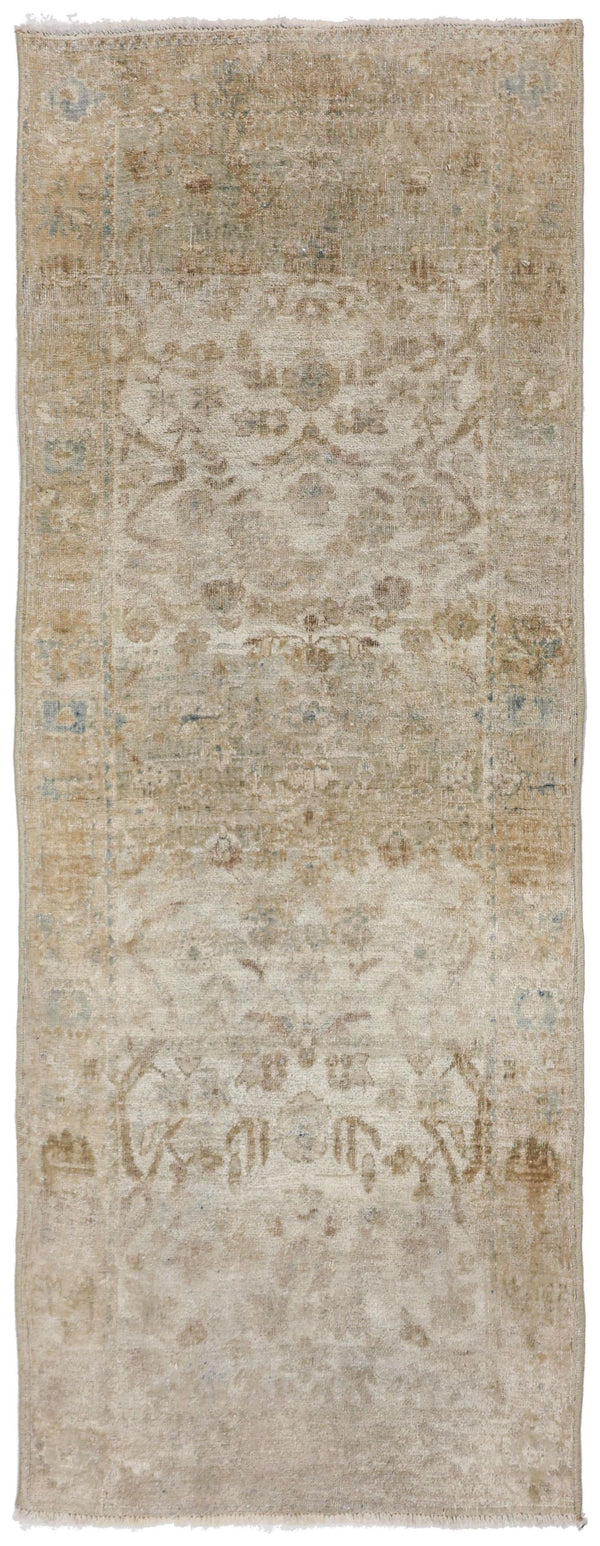 Sold out Vintage Motasham Kashan Handwoven Traditional Rug, J76626 $750.00
 Antique Atashogoli Kashan Handwoven Traditional Rug, J88686 $3,750.00
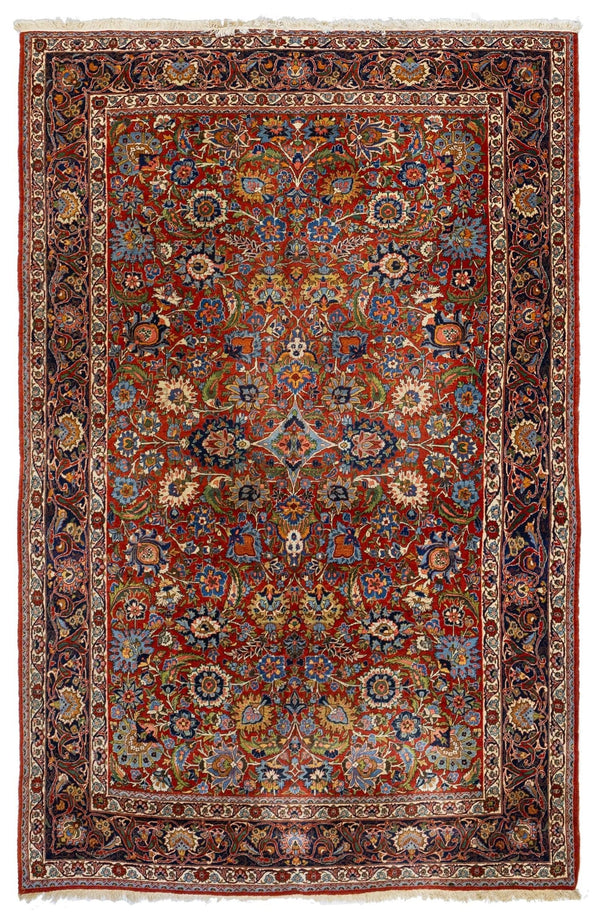 Antique Kashan Handwoven Traditional Rug, J88694 $7,500.00
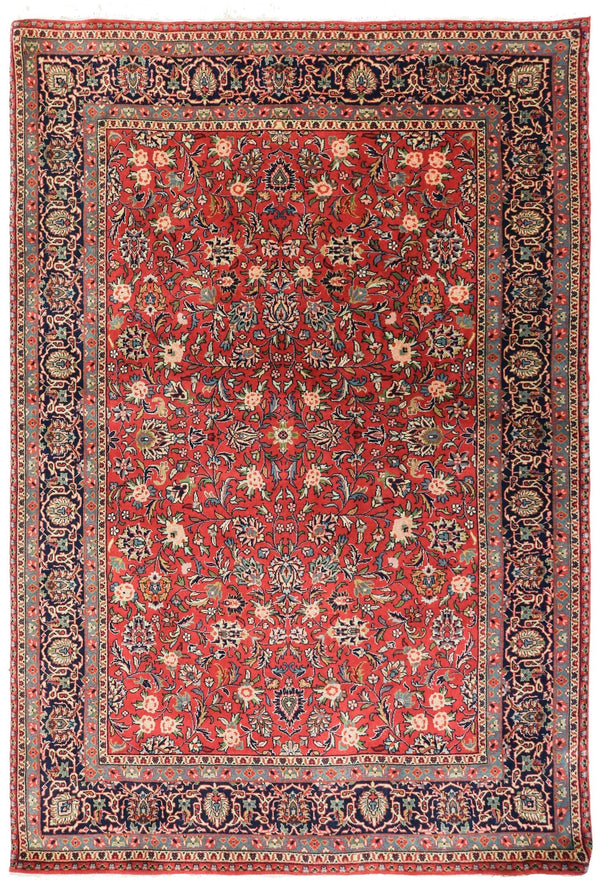 Kashan Handwoven Tribal Rug, 75307 $1,350.00
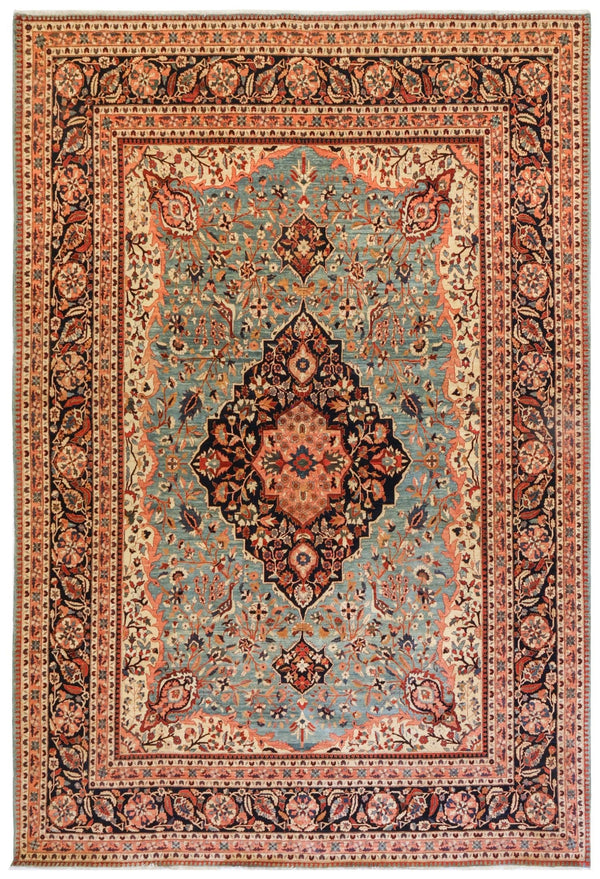 Kashan Handwoven Traditional Rug, 76942 $9,500.00
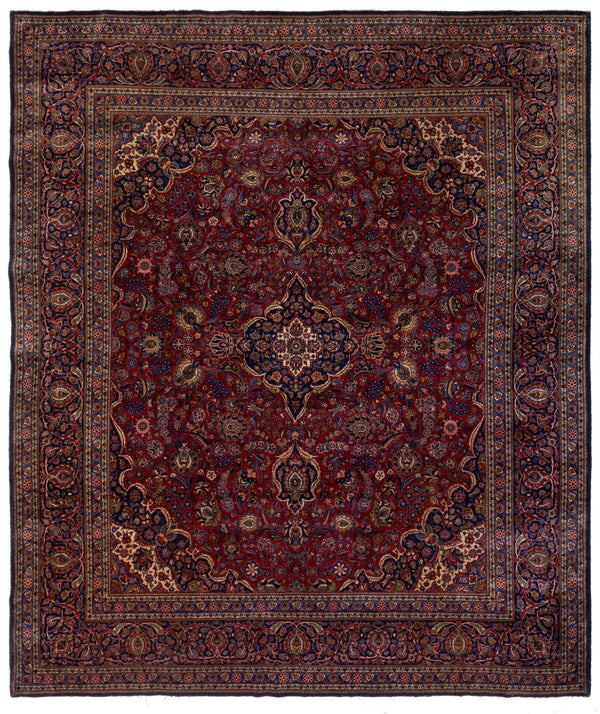 Antique Kashan Handwoven Traditional Rug, JF8788 $8,750.00
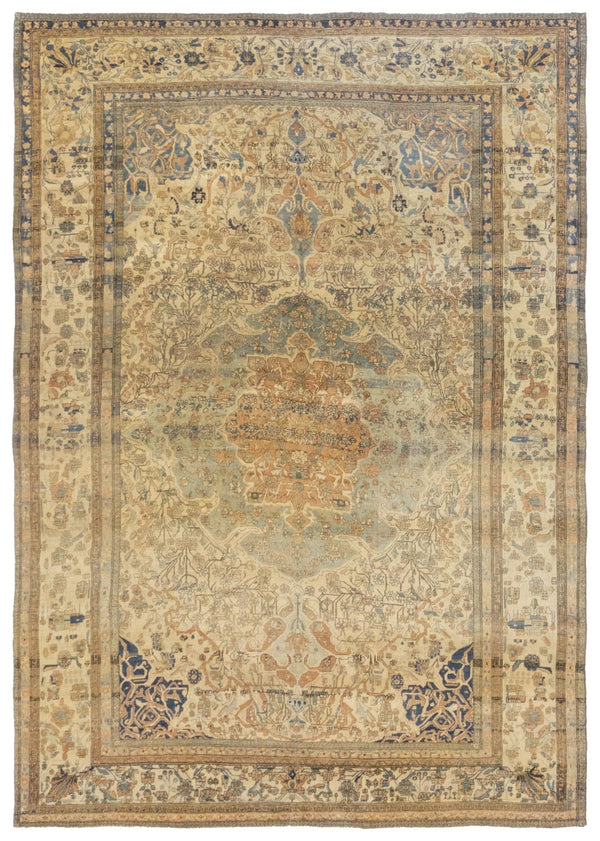 Antique Motasham Kashan Handwoven Traditional Rug, J76793 $18,750.00
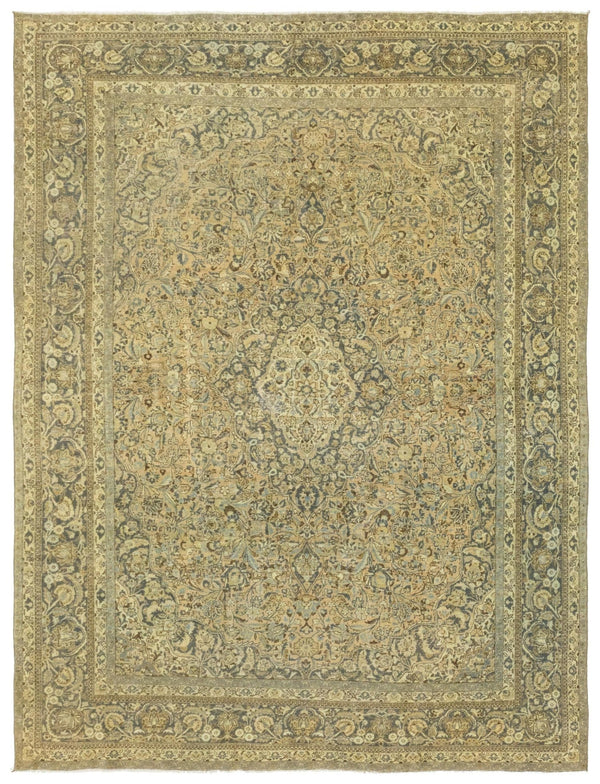 Vintage Kashan Handwoven Traditional Rug, J76724 $5,500.00
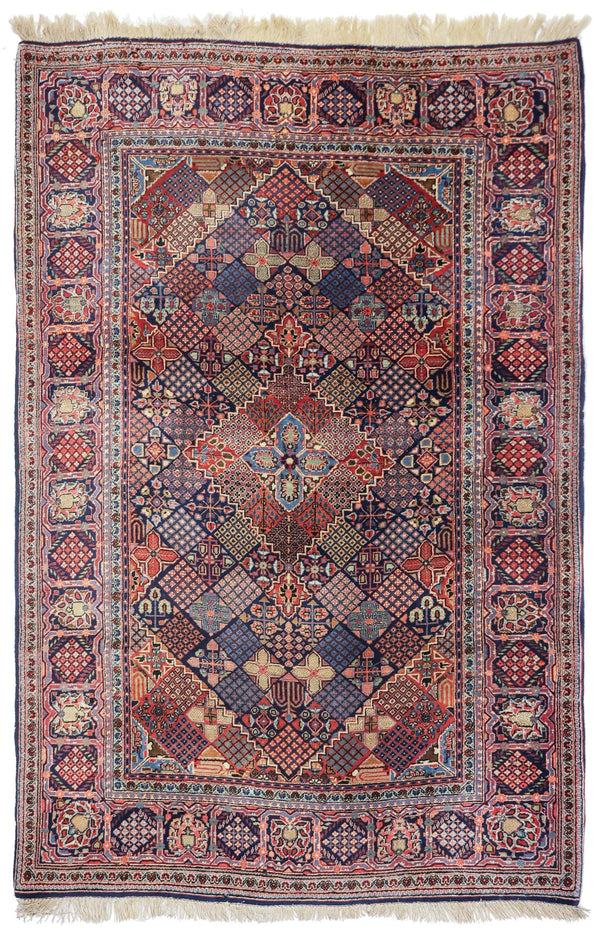 Antique Kashan Handwoven Traditional Rug, J69261 $3,250.00
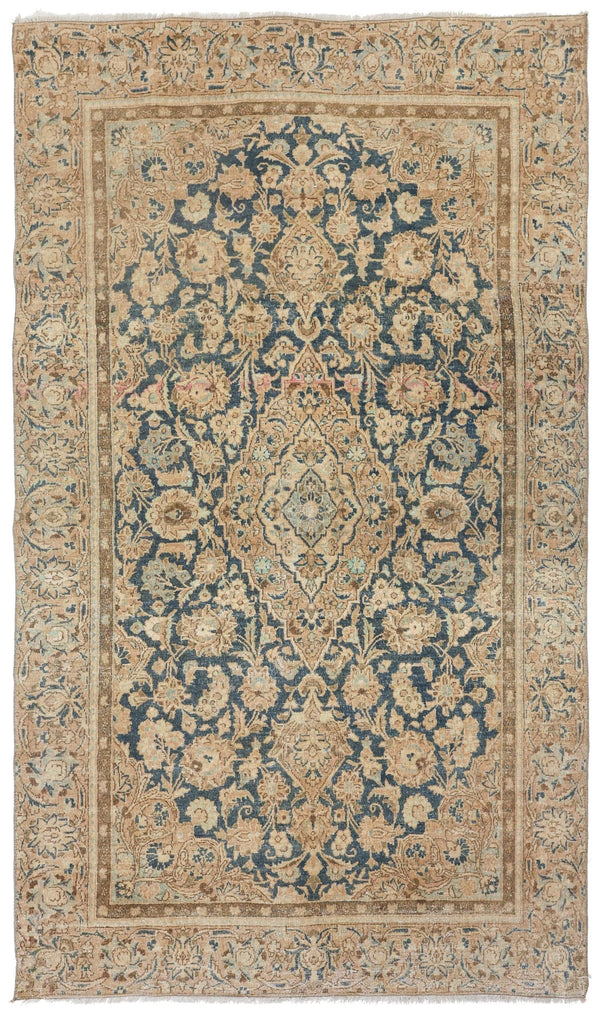 Vintage Kashan Handwoven Traditional Rug, J74034 $1,100.00
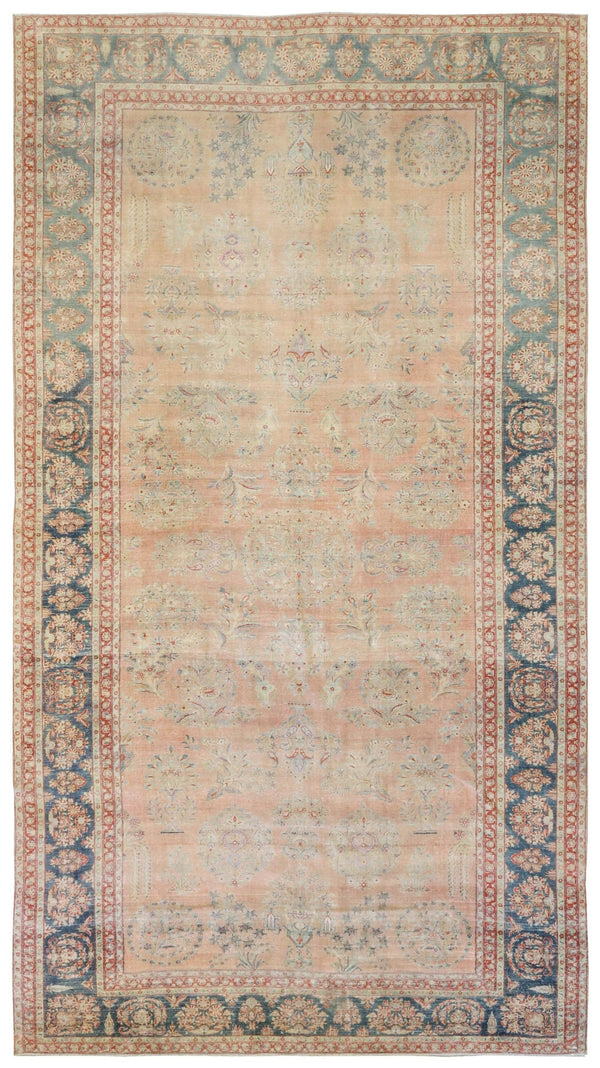 Vintage Manchester Kashan Handwoven Traditional Rug, J73122 $8,600.00
 Vintage Kashan Handwoven Traditional Rug, J73322 $4,500.00
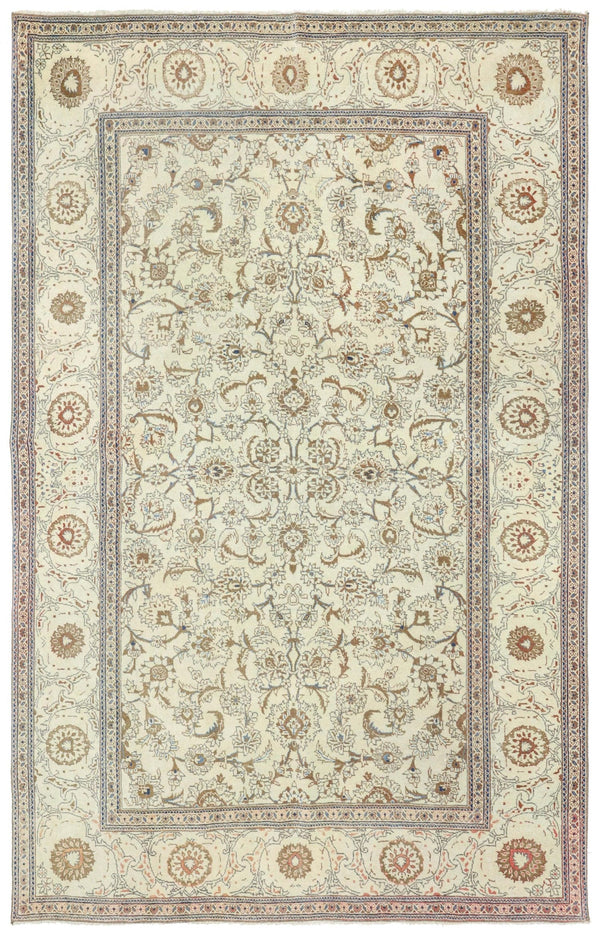 Vintage Kashan Handwoven Traditional Rug, J73301 $2,400.00
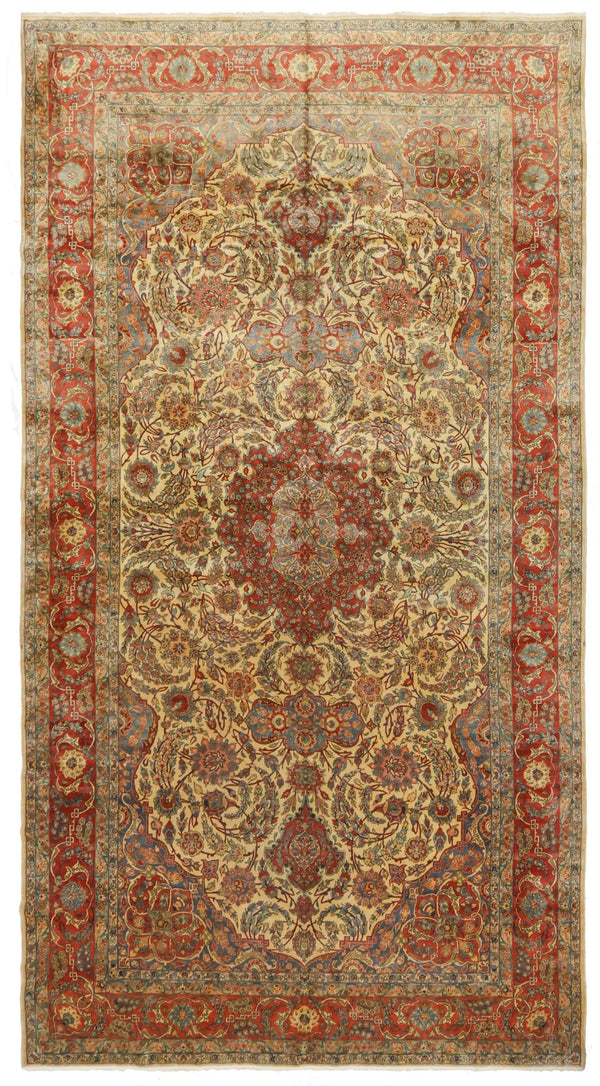 Antique Kashan Handwoven Traditional Rug, J72056 $22,000.00
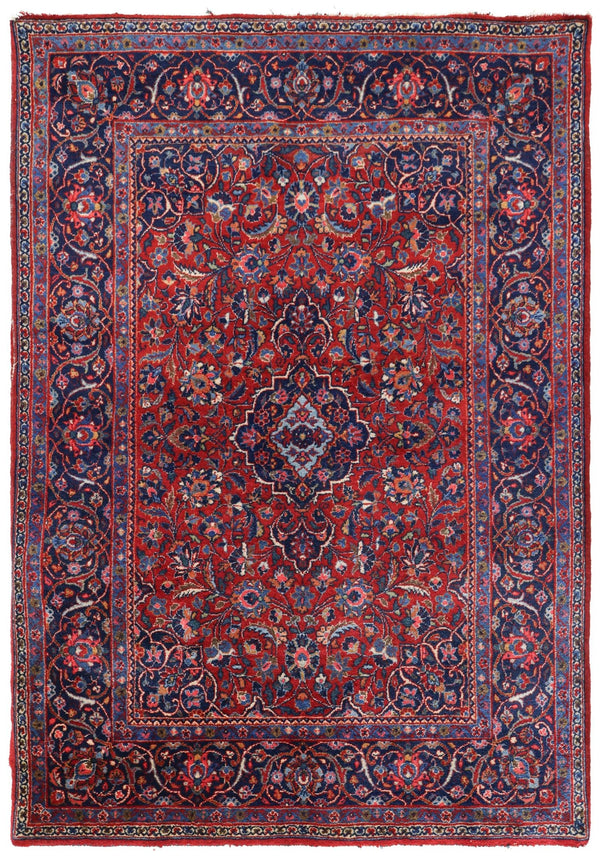 Sold out Antique Kashan Handwoven Traditional Rug, J71267 $1,800.00
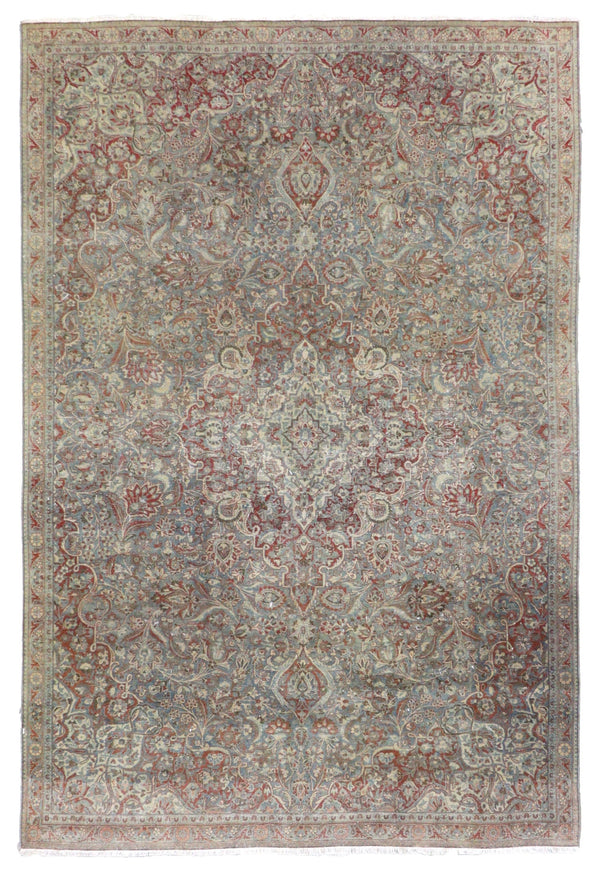 Vintage Kashan Handwoven Traditional Rug, J68946 $3,250.00
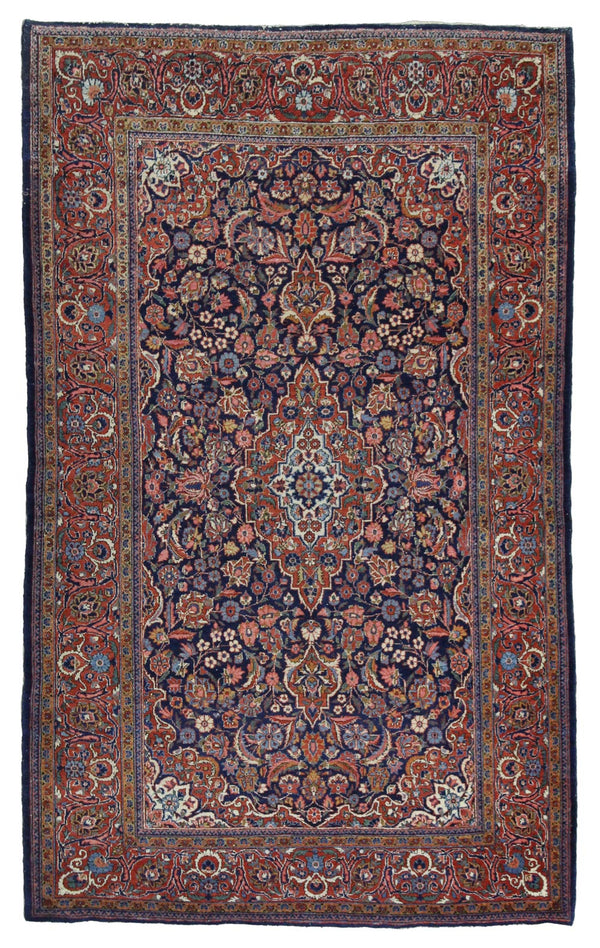 Antique Kashan Handwoven Traditional Rug, JF8603 $3,000.00
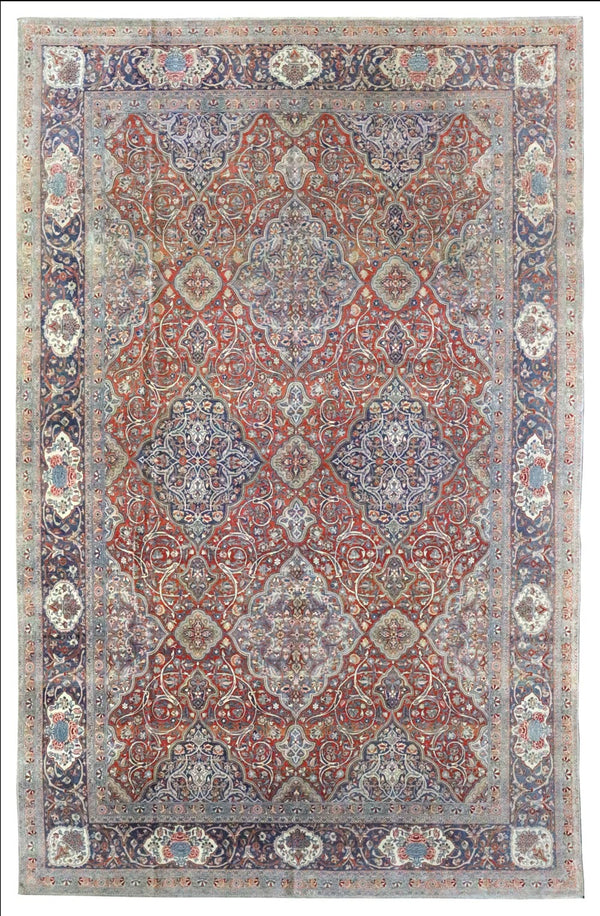 Vintage Dabir Kashan Handwoven Traditional Rug, J67701 $9,000.00
 Antique Manchester Kashan Handwoven Traditional Rug, J66229 $2,000.00
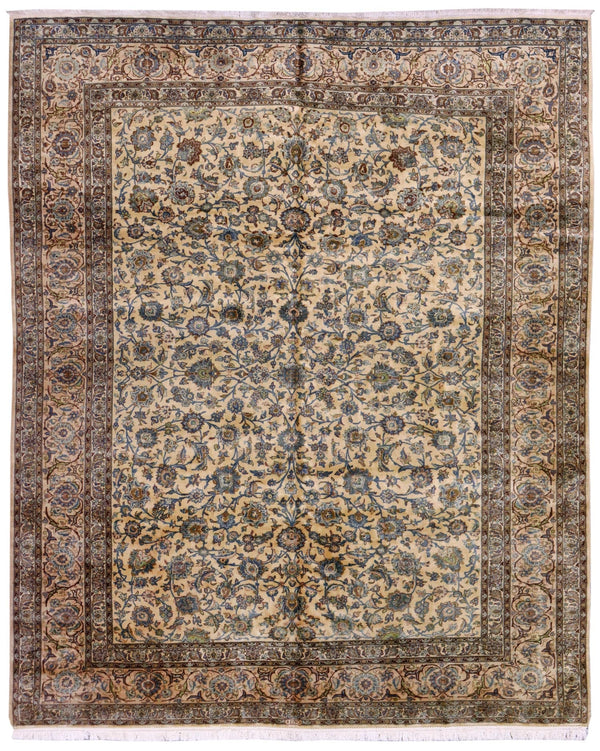 Antique Kashan Handwoven Traditional Rug, J65492 $7,500.00
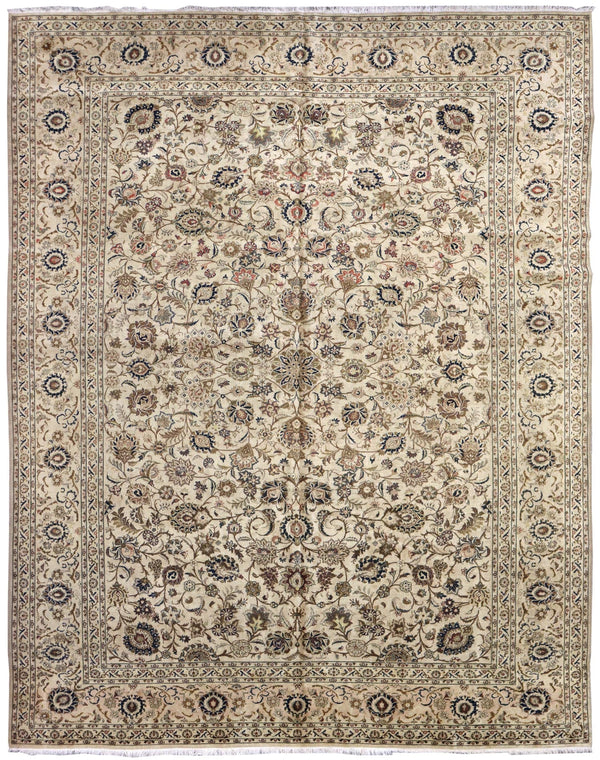 Antique Kashan Handwoven Traditional Rug, J65490 $7,500.00
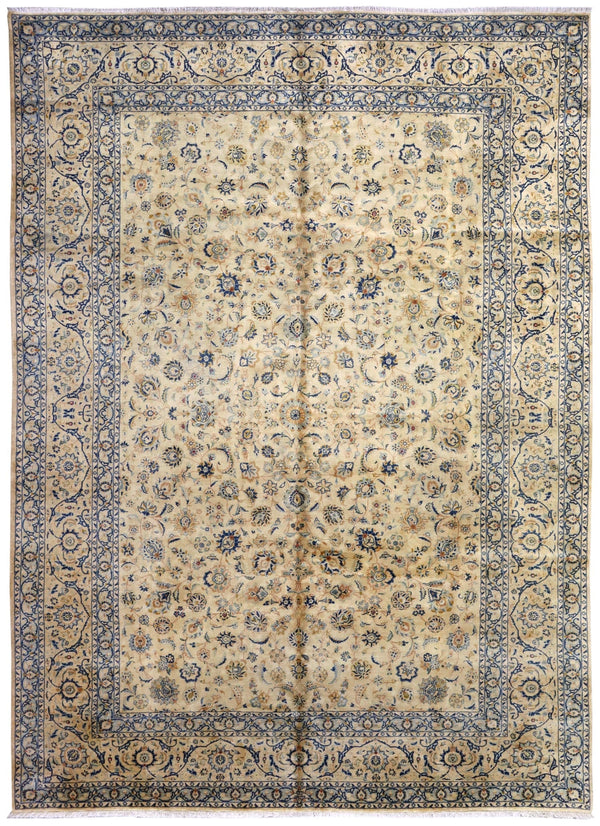 Sale Antique Kashan Handwoven Closeout Rug, J65489 $2,900.00
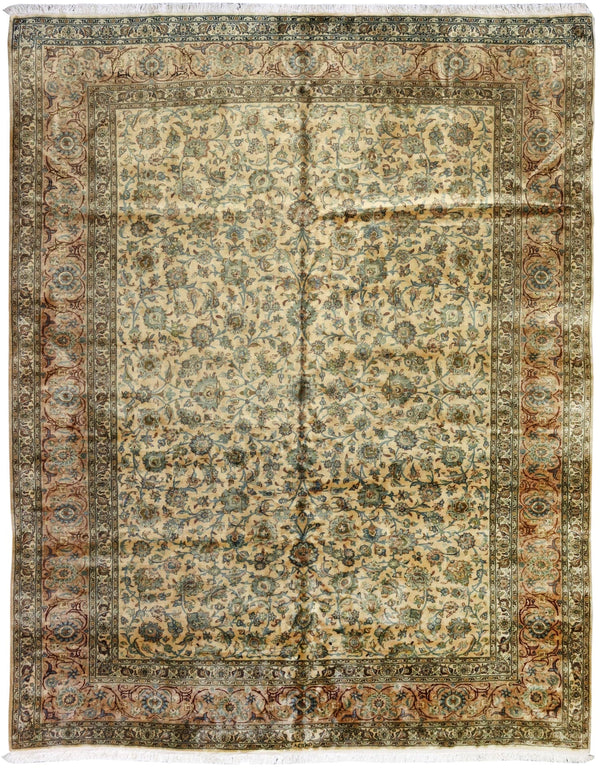 Antique Kashan Handwoven Traditional Rug, J65488 $5,800.00
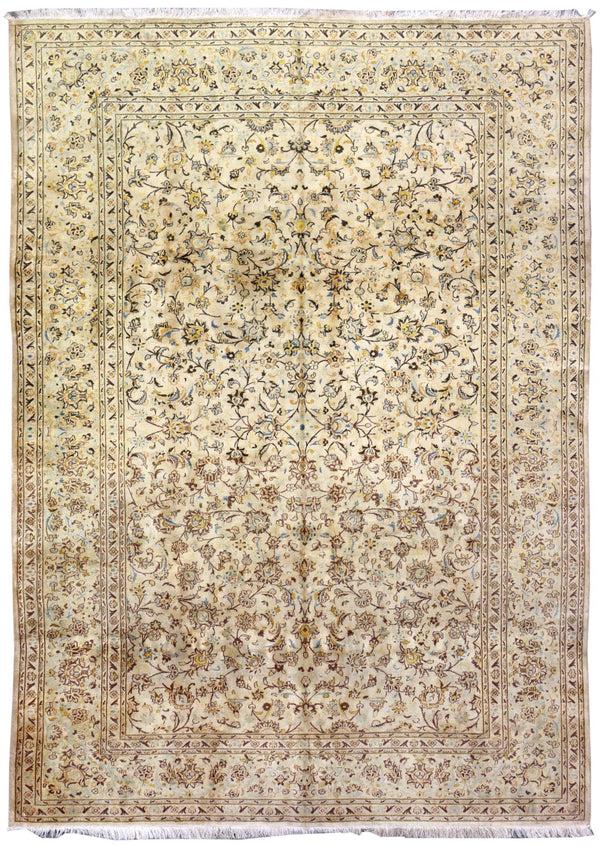 Antique Kashan Handwoven Traditional Rug, J65487 $4,400.00


