Sarouk rugs represent one of the most enduring weaving traditions in Persian rug history.
Hand-knotted in and around the village of Saruk near Arak in Iran's Markazi Province, they’re known for lush curvilinear floral designs, dense wool pile, and craftsmanship that continues to attract collectors and designers more than a century later. Our Sarouk Persian rugs are one of a kind and come to us through relationships with dealers, collectors, and estates built over decades.
Our Sarouk collection spans three distinct weaving eras: the refined Farahan Sarouks (also spelled Ferahan) of the late 19th century, the painterly Mohajeran Sarouks of the early 20th century, and the American Sarouks woven for export from the 1910s through the 1950s, with peak production between 1920 and 1940.
Whether you're a collector searching for a rare antique or a designer seeking a Persian Sarouk rug with strong visual character, we've curated a selection that reflects Landry & Arcari's commitment to authenticity and quality.
Browse the antique Sarouk rugs for sale below to get one for your space.
How Sarouk Rugs Found Their Way Into American Homes
Sarouk weaving traces back to the small village of Saruk, just north of Arak in Iran's Markazi Province. By the late 1800s, weavers in this region had developed a distinct style characterized by curvilinear floral motifs, central medallions, and an exceptionally dense pile. These early Sarouks developed a reputation throughout Europe for craftsmanship and quality.
The story shifted in the 1910s and 1920s, when American buyers discovered Sarouk rugs and demand grew rapidly. Importers commissioned weavings in deep rose, burgundy, and navy fields, with detached floral sprays designed to suit the parlors and dining rooms of the period. By the 1930s, Sarouk had become one of the most widely recognized Persian rug styles in America, a position the style held in the American market well into the 1960s.
To see this story in the context of the wider Persian tradition, explore our broader
antique rugs collection. For rugs from the same Arak weaving region, see our Sultanabad rugs.
Farahan Sarouk Rugs (Pre-1900)
Farahan Sarouks are among the earliest and most highly regarded Sarouk weavings. Produced in the Farahan district before 1900, they're recognized by their refined Herati patterns, tighter knotting, and muted color palettes with natural plant and insect dyes. Central medallions on blue or ivory grounds are characteristic of the period, with ivory-ground examples considered especially rare and desirable.
Soft abrash, the subtle color variation that develops through hand-spun wool and traditional dyeing methods, is common and often valued by collectors. These rugs are appreciated for their restraint, detail, and nuanced design language.
Mohajeran Sarouk Rugs (1900–1920)
The Mohajeran period bridges the earlier Farahan tradition and the later American export era. Mohajeran Sarouks are distinguished by all-over floral fields, typically on deep red or rich cobalt blue grounds, with finely drawn vinework, scattered blossoms, and occasional willow tree motifs.
Field and border colors are often paired inversely, with red fields framed by blue borders or vice versa. Medallions appear far less frequently than in Farahan Sarouks. When present, they tend to be horizontally elongated and feel transitional in style. Knot density is often high, and the wool is among the softest of any Sarouk era.
Many specialists regard the Mohajeran as the finest expression of the Sarouk tradition, prized alongside the best Farahan weavings.
American Sarouk Rugs (1920s–1940s)
The American Sarouk is the style many people associate most closely with the Sarouk name. Woven for the U.S. market from the late 1910s through the 1950s, these rugs often feature detached floral sprays on deep rose, burgundy, or navy fields.
Many were chemically washed to soften the original color, then “painted”: New York artisans hand-colored the fields with synthetic dyes to achieve the deep raspberry and burgundy tones American buyers preferred. Collectors commonly refer to these as "painted Sarouks" today. The pile is typically thicker, the patterns bolder, and the scale larger than earlier Sarouk weavings.
Antique Persian Sarouk rugs from this era anchor formal rooms beautifully and remain one of the most sought-after categories in the Persian rug market.
How to Identify an Authentic Sarouk Rug
Authentic Sarouk Persian rugs share a consistent set of identification markers. The design is curvilinear rather than geometric, with floral sprays, vinescroll borders, and either a central medallion or an all-over detached floral field. Foundations are typically cotton, with blue weft threads as a common identifying feature. The wool pile is dense, lustrous, and resilient, allowing finer details and layered floral drawings to remain clear over time.
Color tells the rest of the story. Look for deep red, salmon pink, navy, or ivory fields, accented by corner spandrels in contrasting tones. The signature salmon-pink tone (known as doghi, traditionally achieved by combining madder dye with yogurt or whey) is one of the most recognizable color signatures of the tradition.
Natural-dye Sarouks show soft abrash, especially in older Farahan and Mohajeran pieces. You’ll also encounter multiple spellings on dealer tags (Sarouk, Saruk, Sarough, and Ferahan for the earliest examples) in auction catalogs and dealer inventories.
Sarouk Rug Value and Collectibility
Sarouk rug value depends on several factors considered together, including age, weaving period, knot density, dye quality, design rarity, and overall condition.
Fine Farahan Sarouks and Mohajeran Sarouks are generally considered the most sought-after examples in the collector market, with the Mohajeran often regarded as the finest expression of the tradition. American-era Sarouks, including painted Sarouks, remain highly collectible and often appeal to buyers looking for antique examples with broader availability while maintaining the character and craftsmanship associated with the tradition.
For decades, Landry & Arcari has authenticated and placed Sarouk rugs, and our team includes ORRA-certified rug appraisers. If you'd like a current valuation or an honest read on a Sarouk piece you already own, we're glad to help.
For broader context on formal Persian weavings, you can browse our antique formal Persian rugs collection or look at our Tabriz rugs and Kerman rugs for other curvilinear Persian styles.
Request a Sarouk rug appraisal or visit one of our Massachusetts showrooms in Salem, Boston, or Framingham.
Sarouk Rugs: FAQs
What is a Sarouk rug?
A Sarouk rug is a hand-knotted Persian rug from the Arak region of Markazi Province, woven from the late 19th century through the mid-20th century. Sarouks are known for curvilinear floral designs, a dense wool pile, and deep rose, red, and navy fields.
How are Sarouk, Saruk, and Sarough different?
Sarouk, Saruk, and Sarough refer to the same weaving tradition. The spelling changed over time as Persian names were transliterated into English, French, and other languages for export records, dealer inventories, and auction catalogs.
Ferahan (or Farahan) refers specifically to the earliest period of Sarouk weaving from the Ferahan district before 1900, so a "Ferahan Sarouk" is an older, finer subset of the broader Sarouk tradition.
What is an American Sarouk?
An American Sarouk is a Sarouk rug woven in Iran for the U.S. market, mainly between the 1910s and 1950s. Many were chemically washed and then hand-painted in New York to deepen their raspberry and burgundy fields, which is why they are often called “painted Sarouks.”
Is a Sarouk carpet the same as a Sarouk rug?
Yes. In the trade, “carpet” usually refers to a larger, room-size piece and “rug” to a smaller one, but both describe the same hand-knotted Sarouk weaving. Many American Sarouks were made in room sizes for living and dining rooms, alongside smaller rugs and runners.
How much is a Sarouk rug worth?
A Sarouk rug’s value depends on its age, weaving period, knot density, dye quality, design rarity, and condition, rather than a set price. Farahan Sarouks from before 1900 and Mohajeran Sarouks from 1900 to 1920 are generally the most valuable, while American Sarouks from the 1910s to 1950s are widely collected and more readily available.
Our team, which includes ORRA-certified appraisers, can provide a current valuation.
Can antique Sarouk rugs work in contemporary interiors?
Yes. Antique Sarouk rugs bring texture, craftsmanship, and color to contemporary spaces without requiring a traditional room design. Floral patterns and layered tones create contrast in cleaner interiors while adding visual depth.
Why do some Sarouk rugs have pink or salmon-colored fields?
Many American Sarouks were woven specifically for the U.S. market in the early 20th century, when rose and salmon tones became popular in American interiors. The traditional salmon-pink shade, known as doghi, was historically created by combining madder dye with yogurt or whey, a technique unique to the region. Over time, those colors became closely associated with the Sarouk tradition and remain recognizable today.
How do Sarouk rugs compare to other Persian rugs?
Sarouk rugs belong to the curvilinear floral tradition alongside Kashan and Isfahan, but they typically have a denser pile and bolder drawing. American-era Sarouks also tend to feel less formal than some other Persian styles.
Visit our guide to the different types of Persian rugs to compare weaving traditions side by side.
How do you care for an antique Sarouk rug?
Use a quality rug pad, rotate the rug periodically, and keep it out of prolonged direct sunlight. Professional cleaning every few years can also help preserve the wool and dyes over time.
Learn more about our professional rug cleaning services.
What size Sarouk rug should I choose for my space?
The right size depends on the room layout and furniture placement. Living rooms often work best when at least the front legs of major furniture sit on the rug, while dining room rugs should extend beyond the table and chairs.
Contact our team for guidance on sizing and placement.
 Showrooms


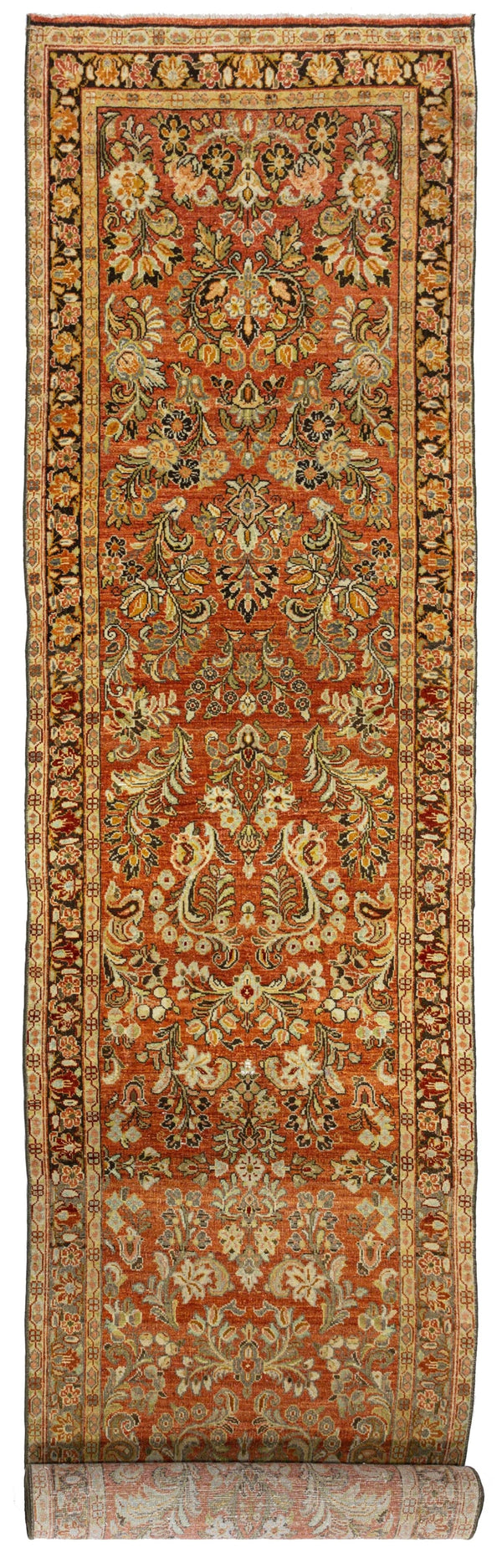 Vintage Sarouk Handwoven Traditional Rug, J86551 $875.00
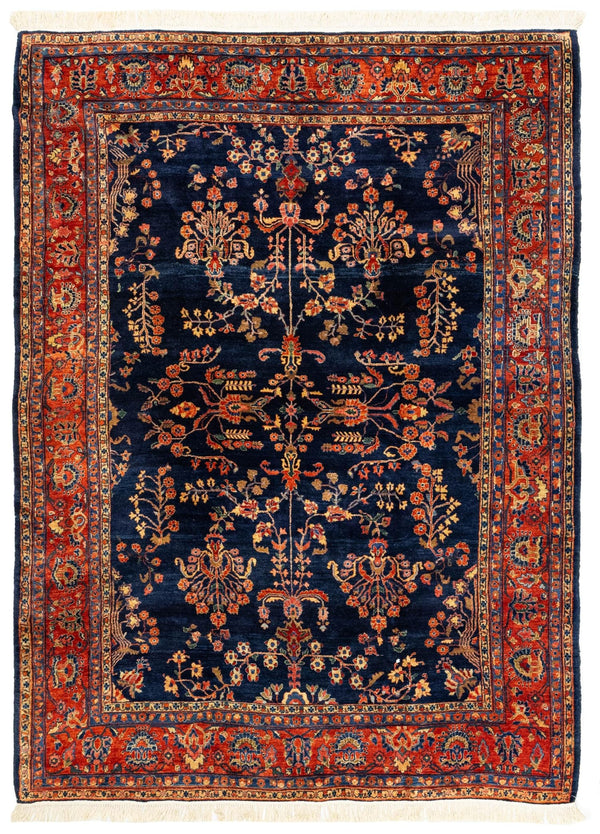 Antique Mahajaran Sarouk Handwoven Traditional Rug, J86757 $12,500.00
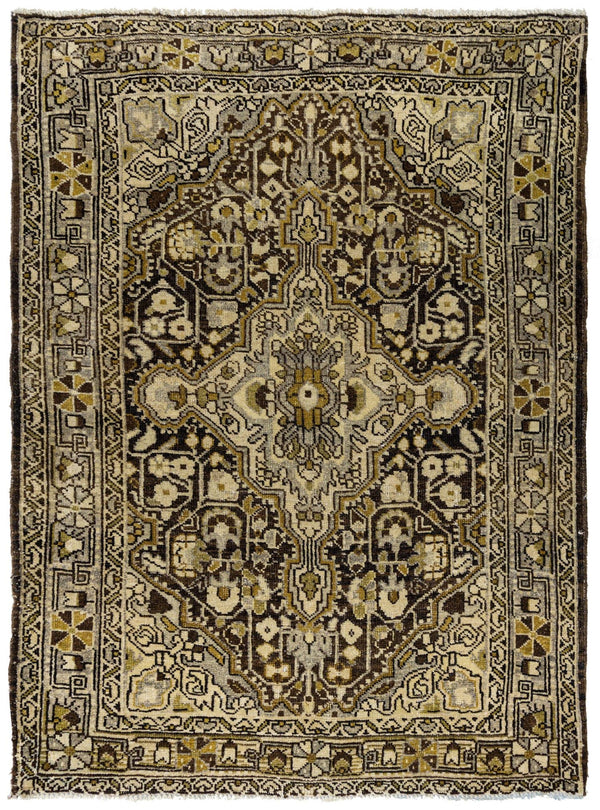 Antique Jozan Sarouk Handwoven Traditional Rug, J86426 $550.00
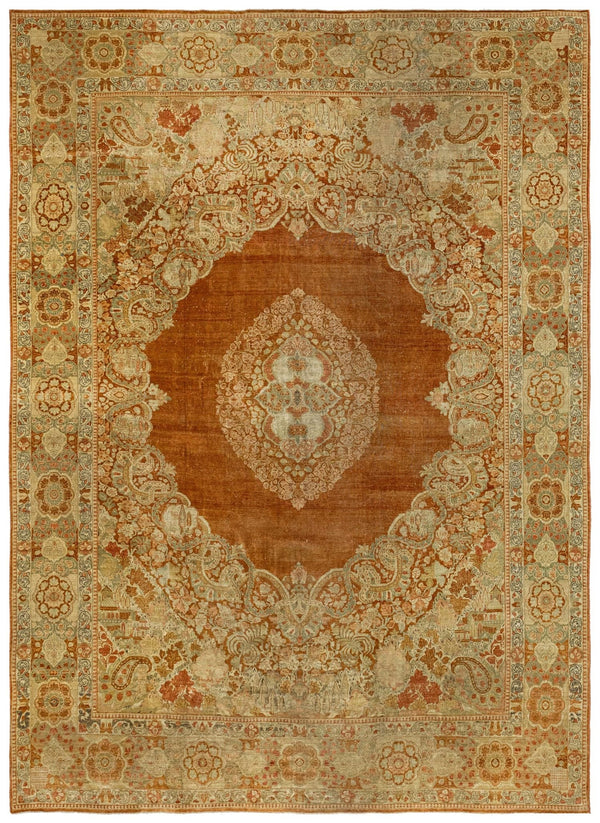 Vintage Euro Sarouk Handwoven Traditional Rug, J86419 $7,800.00
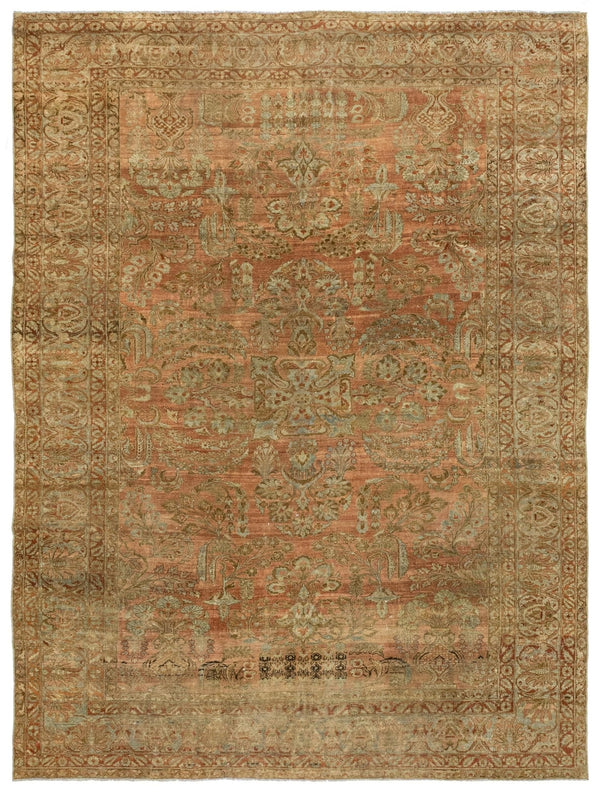 Sold out Vintage Sarouk Handwoven Traditional Rug, J81288 $8,750.00
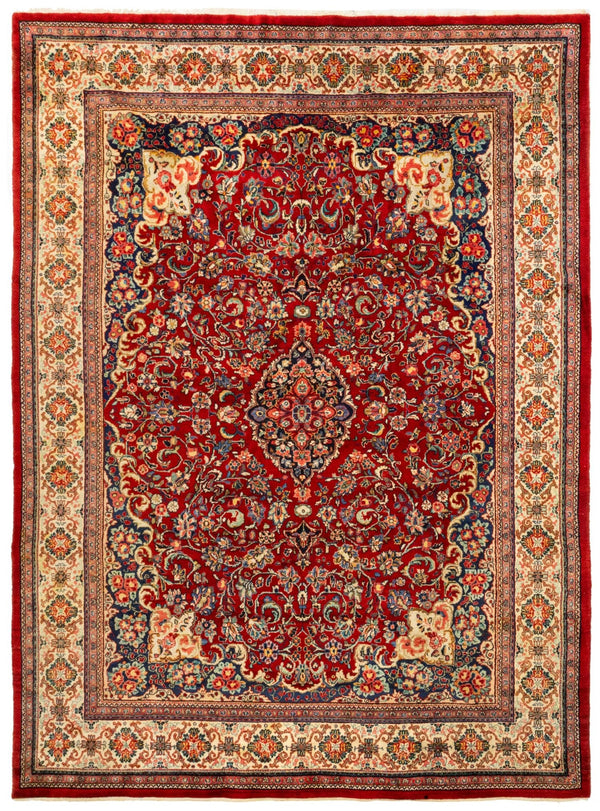 Vintage Mahal Sarouk Handwoven Traditional Rug, J81133 $4,800.00
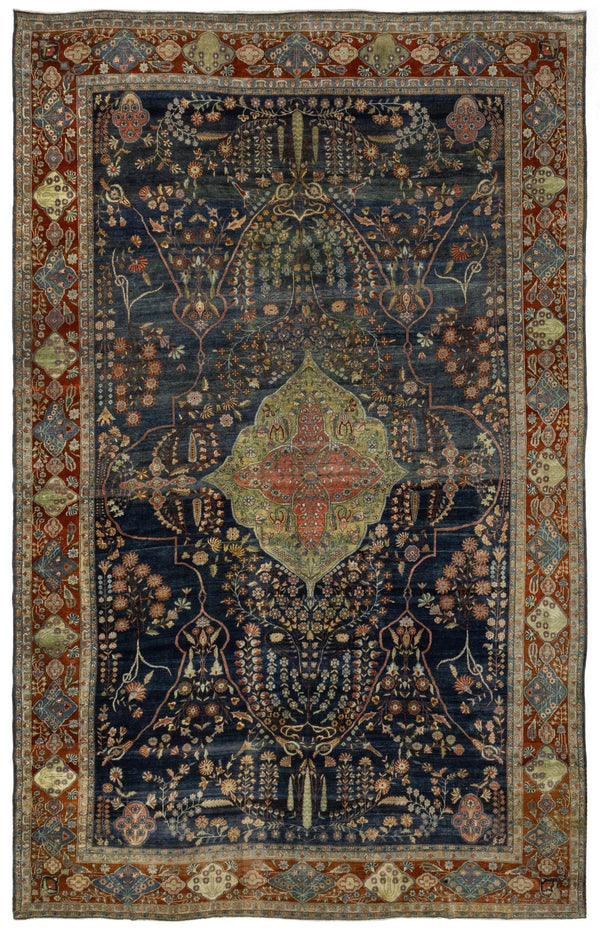 Antique Feraghan Sarouk Handwoven Traditional Rug, J81296 $27,500.00
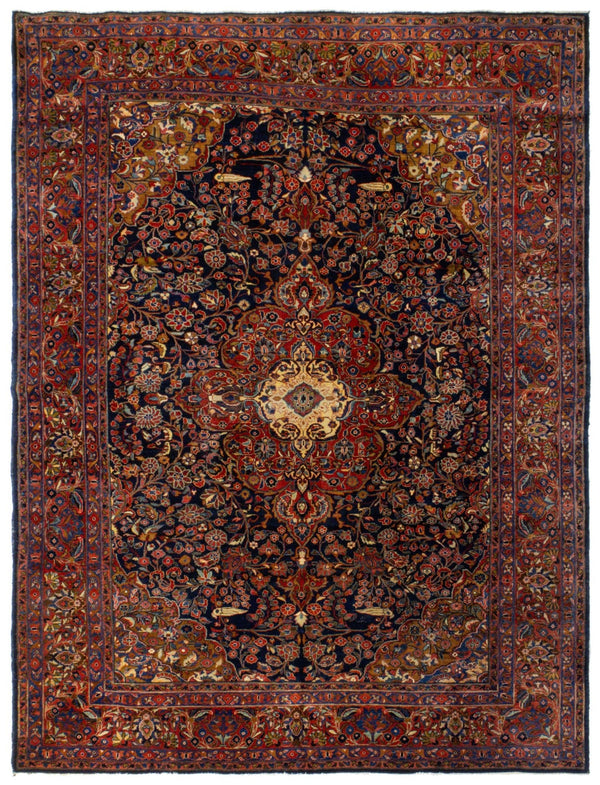 Antique Sarouk Handwoven Traditional Rug, 84378 $8,500.00
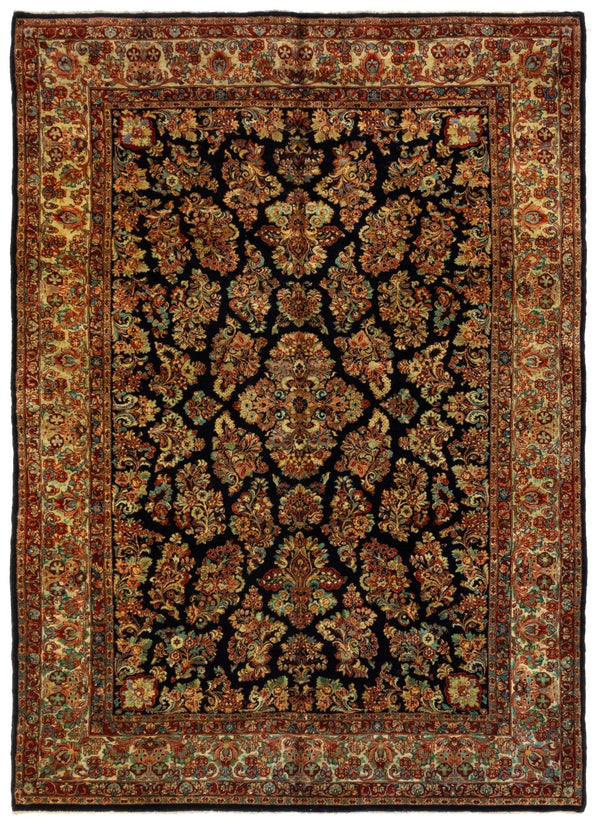 Antique Sarouk Handwoven Traditional Rug, JF8789 $8,750.00
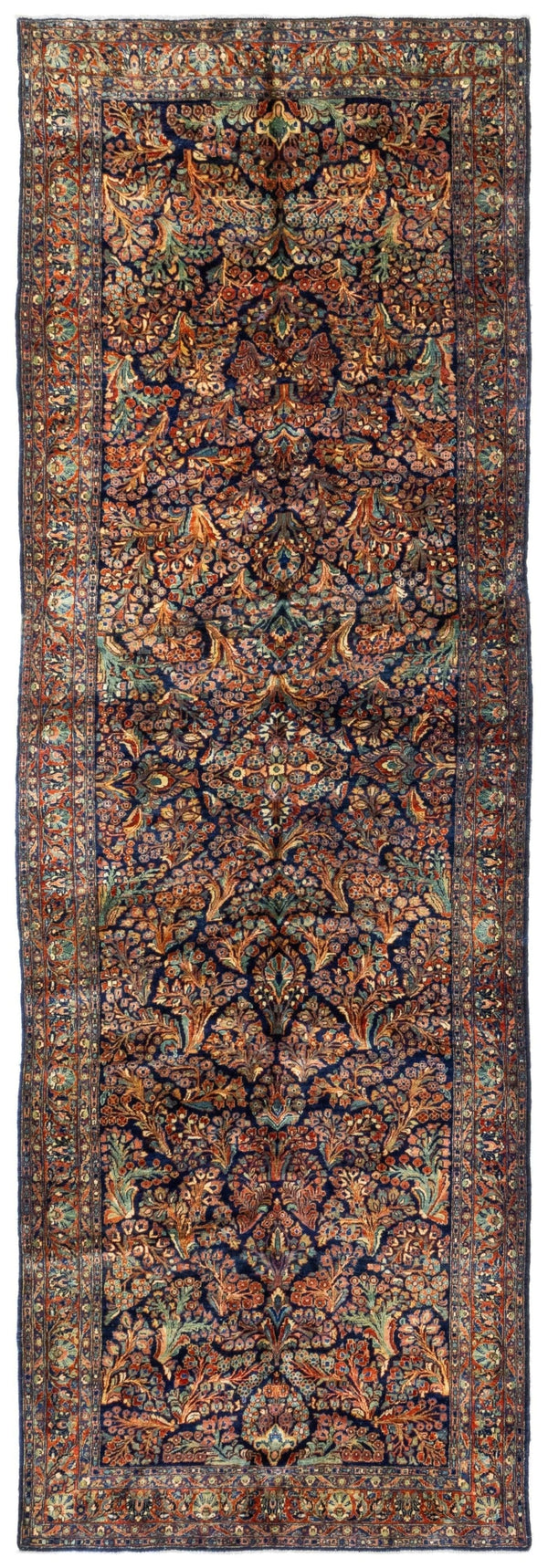 Antique Sarouk Handwoven Traditional Rug, J78952 $10,000.00
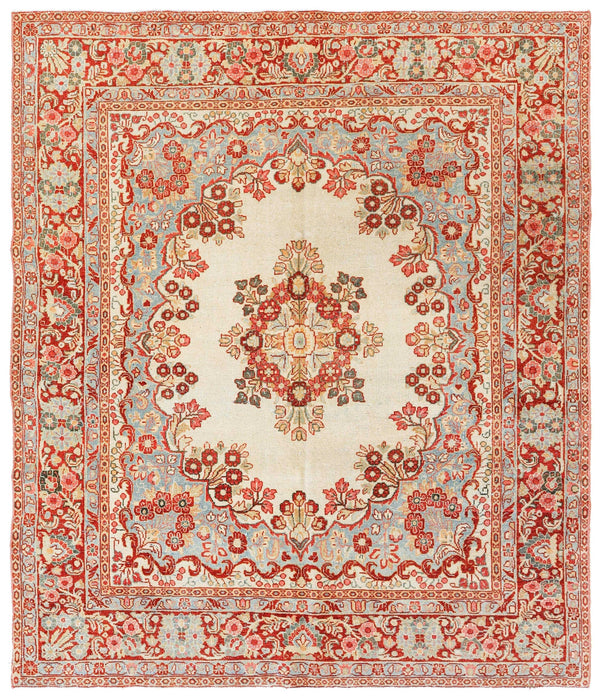 Vintage Sarouk Handwoven Traditional Rug, J78909 $2,000.00
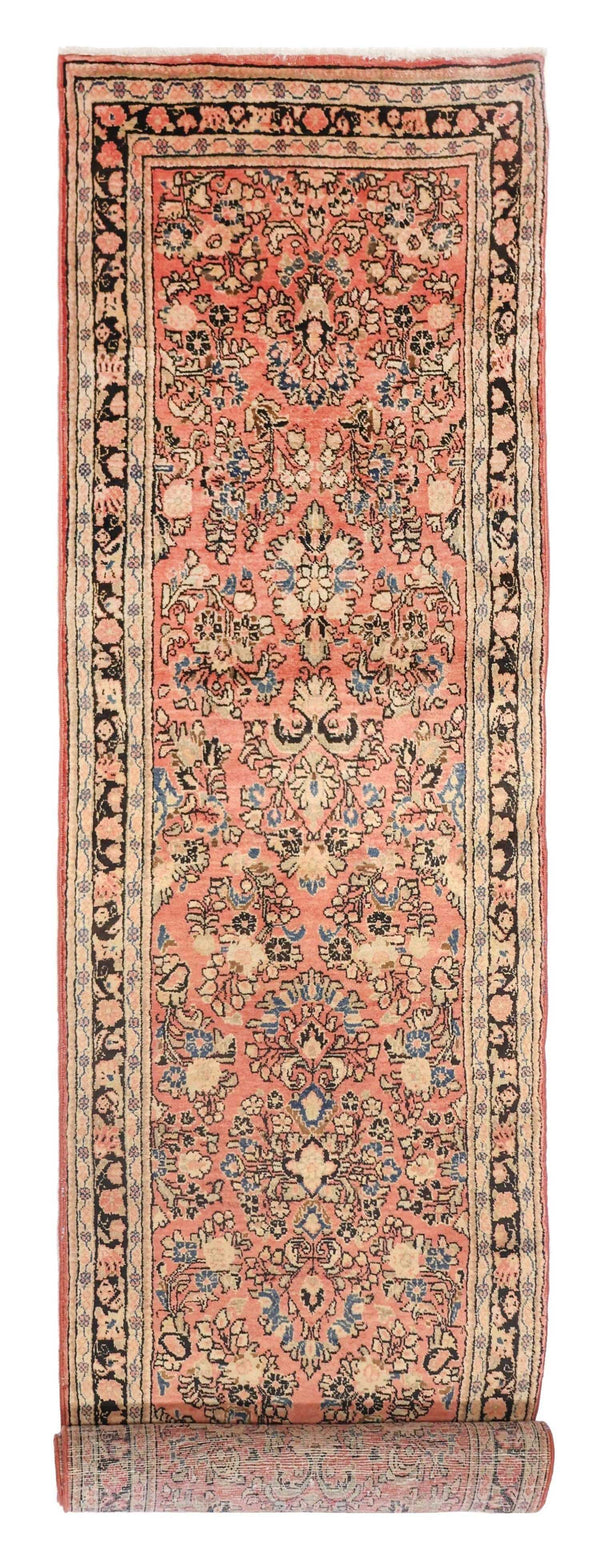 Antique Sarouk Handwoven Traditional Rug, J72126 $2,400.00
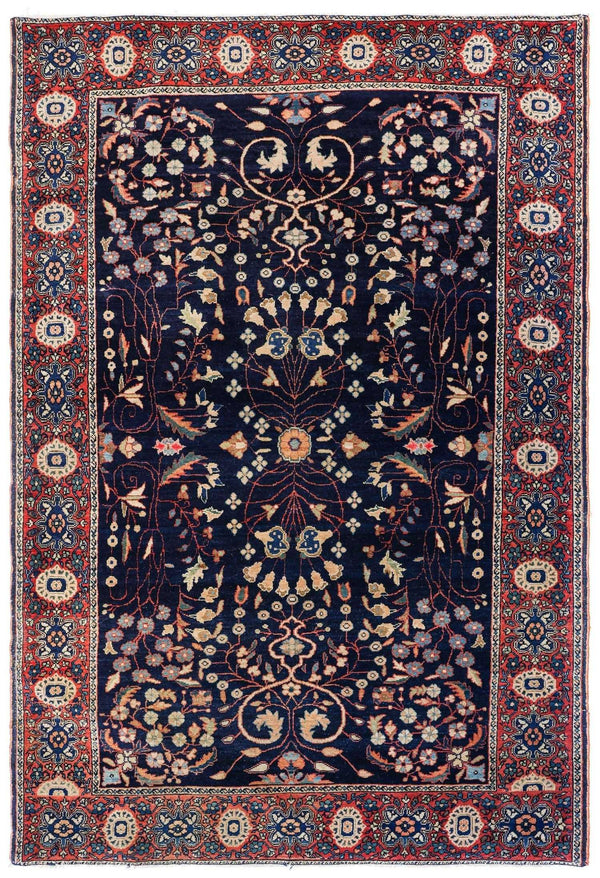 Antique Ferahan Sarouk Handwoven Traditional Rug, J78688 $2,800.00
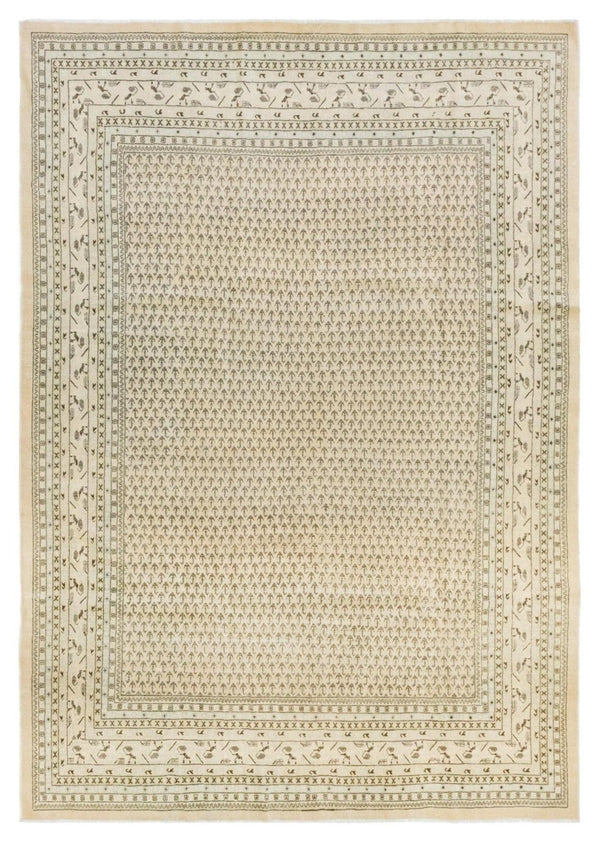 Vintage Seraband Sarouk Handwoven Traditional Rug, J72733 $4,800.00
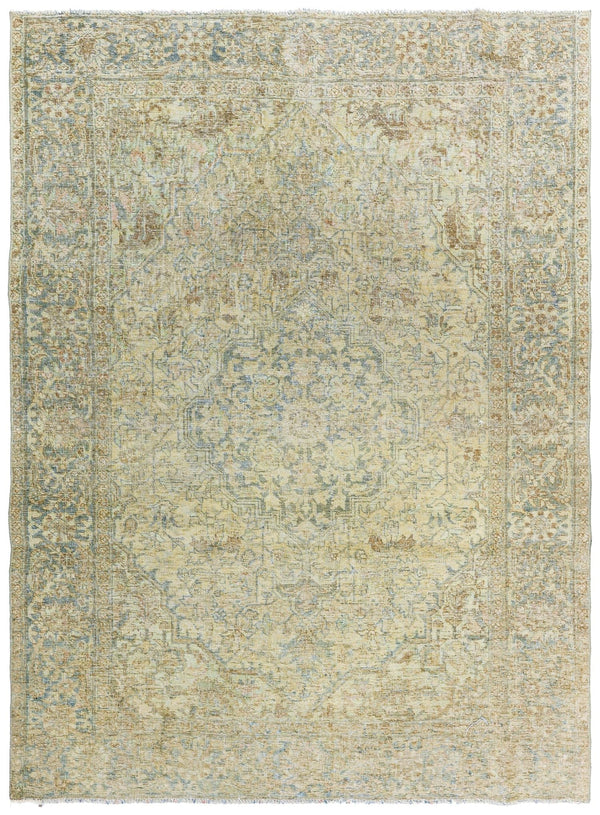 Vintage Jozan Sarouk Handwoven Transitional Rug, J78350 $1,500.00
 Vintage Ferahan Sarouk Handwoven Transitional Rug, J75791 $4,750.00
 Vintage Ferahan Sarouk Handwoven Transitional Rug, J75655 $6,500.00
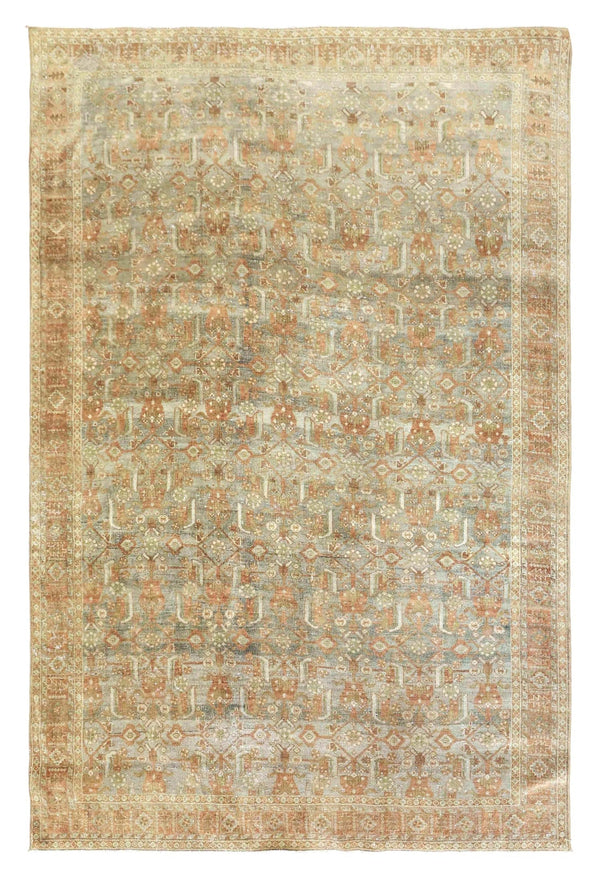 Vintage Meghan Sarouk Handwoven Traditional Rug, J75673 $3,750.00
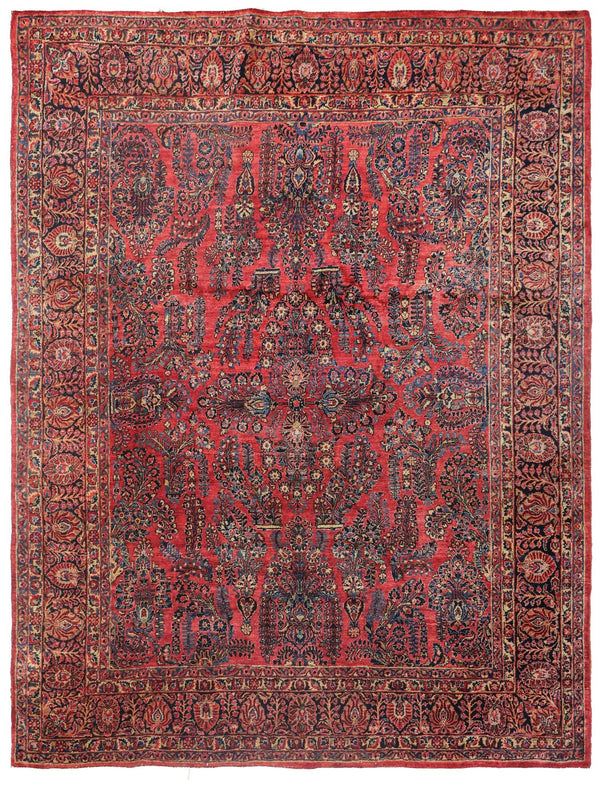 Antique Sarouk Handwoven Traditional Rug, JF8708 $8,750.00
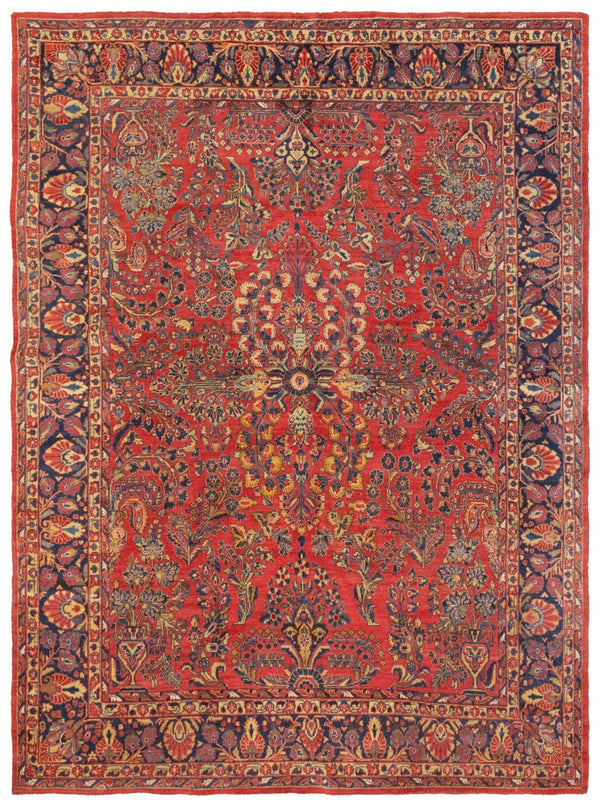 Antique Sarouk Handwoven Traditional Rug, J76845 $7,500.00
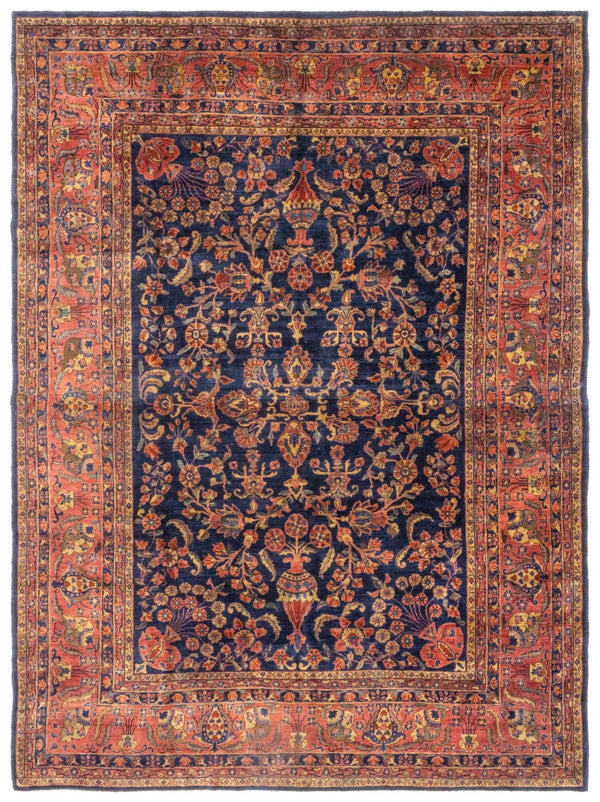 Antique Sarouk Handwoven Traditional Rug, J76679 $15,500.00
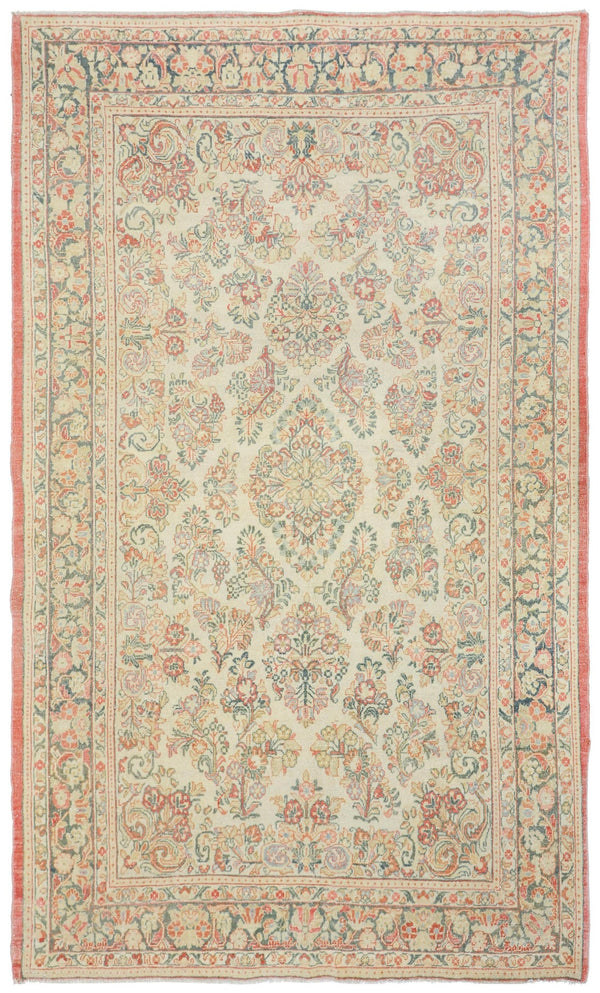 Vintage Sarouk Handwoven Traditional Rug, J69562 $2,250.00
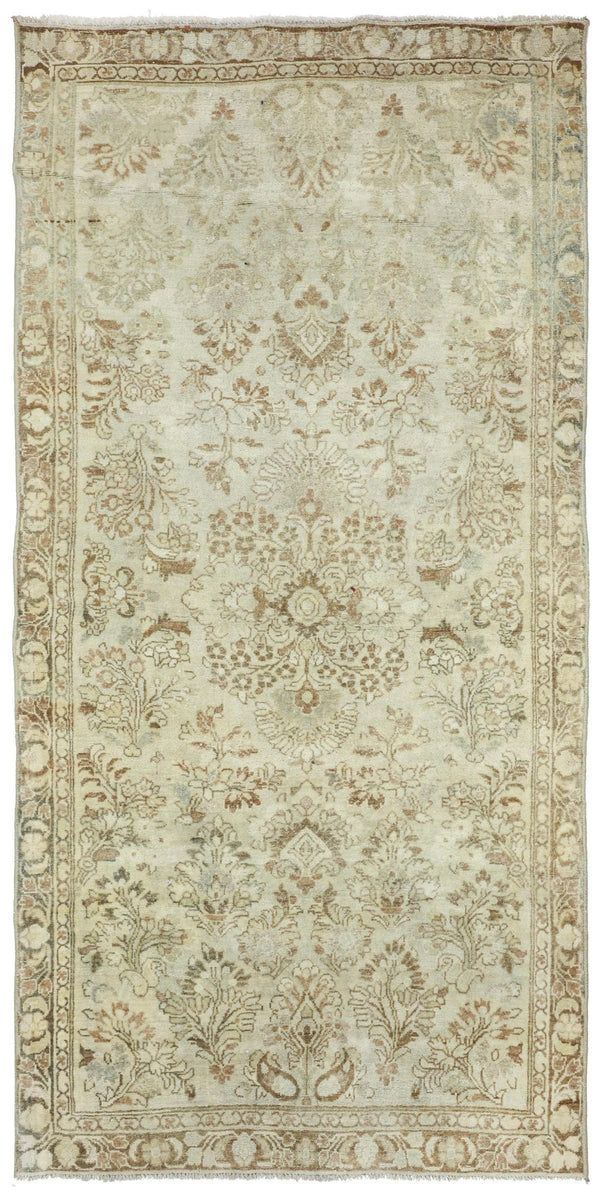 Sold out Vintage Sarouk Handwoven Traditional Rug, J66243 $650.00
 Vintage Sarouk Handwoven Traditional Rug, 71930 $5,500.00


