A dhurrie is a flat-woven, pileless rug rooted in Indian weaving traditions, traditionally reversible and versatile. Alongside kilims and other flatweaves, dhurrie rugs bring pattern and structure without the bulk of a raised pile.
This collection moves across regions and generations, from Indian dhurries and antique kilims to Scandinavian flatweaves and newer geometric designs. Most pieces are handwoven using natural materials like wool and cotton, making them durable, breathable, and even eco-friendly. These rugs feature a lightweight structure, so they work particularly well under furniture, in hallways, kitchens, or layered over carpet.
Some pieces, like our vintage soumaks and an antique Malatya kilim from around 1920, carry decades of history you can feel underfoot. Others rely on quieter stripes, muted colors, or minimalist designs that suit contemporary spaces.
Browse kilims, flatweaves, and dhurrie rugs for sale to find the right one for your home.
Why Choose Kilim, Flatweave & Dhurrie Rugs
Lightweight yet long-lasting, Kilim, flatweave, and dhurrie rugs strike a perfect balance. Designed without pile, they bring structure and softness without bulk, perfect for layering or grounding a busy space. And because they’re reversible and easier to clean, they’re as practical as they are beautiful.
These pieces come from weavers we have worked with for decades, combining our creative design direction with their weaving techniques. The result ranges from bold geometric patterns to muted, tonal designs that feel at home in a city apartment, a hallway, or a summer cottage.
Flatweave Carpet and Custom Area Rugs
Flatweave isn't limited to one-of-a-kind rugs. Landry & Arcari also offers flatweave carpet that can be used wall-to-wall or fabricated as a custom area rug.
In our in-house workroom, we can cut carpet to custom dimensions and finish it with binding or serging, making flatweave a useful choice when the room calls for a tailored size rather than a standard rug.
Browse our flatweave carpet collection for patterns such as herringbone, chevron, and stripes, and learn more about our installation and fabrication services.
Craftsmanship and Materials
Rug Types and Styles
This collection covers several distinct flat-woven traditions. Kilims are tapestry-woven rugs from Turkey, Afghanistan, and the Caucasus, often built with a slit-weave that creates crisp geometric motifs. Among them, soumaks and jijims wrap or float extra wefts across the surface to create a raised, textured pattern.
Minimalist Scandinavian flatweave styles and dhurries feature stripes, bold geometry, and restrained palettes, bringing thoughtful design and practical texture to modern interiors.
For a related accent beyond the floor, explore our kilim ottomans collection.
Materials and Weaving
Landry & Arcari works with skilled weavers to create rugs that reflect shared values: quality, authenticity, and craft. Flatweaves are constructed by interlacing warp and weft rather than knotting a raised pile. Wool and cotton are especially common, though materials and weaving techniques vary by origin and age.
Wool dhurrie rugs are thicker and warmer underfoot, while cotton dhurries are lighter and easier to wash. Indian dhurrie rugs draw on a long weaving tradition centered in Rajasthan, where cotton dhurries have been made for centuries. From a new flatweave with a modern stripe to an antique kilim brought back to life, each piece is woven with care, character, and made to last.
Delivery and Care Information
Shipping
We offer insured shipping throughout the continental U.S., with tracking included. Most orders ship via UPS Ground. Oversized or fragile items may be handled by specialty carriers to ensure safe arrival. For customers near our showrooms, white-glove delivery may be available upon request.
Care and Maintenance
Regular care helps your rug keep its color and shape. Vacuum regularly using suction only and avoid beater bars. Rotate every few months for even wear, and blot spills right away with a clean, dry cloth. For deep cleaning, our rug cleaning and repair team uses a process designed for handwoven and flat-woven rugs.
Frequently Asked Questions
Kilim Rugs
What defines a kilim rug?
A kilim rug is a flat-woven textile made without pile, usually from wool and often featuring strong geometric motifs. When handwoven from natural fibers, kilims are durable, reversible, and can last for generations.
Why are kilim rugs so expensive?
High-quality kilims are often handmade rugs, crafted from natural materials using traditional techniques. Antique kilims, or those with fine detail and organic dyes, can command higher value because of their rarity and craftsmanship.
How to tell if a kilim rug is real?
Look for signs of handweaving: slight variations in pattern or weave, natural fiber textures, and a lack of machine uniformity. A real kilim rug will also feel more pliable and organic underfoot.
Are kilim rugs good quality?
Yes. When handwoven with natural materials, kilims are incredibly durable and designed to last, especially with proper care.
Explore our Vintage Flatweave Rugs for unique kilim and flat-woven finds.
Flatweave Rugs
What does flatweave mean in a rug?
A flatweave rug is created without knots or pile, producing a flat surface that’s both lightweight and sturdy. It’s woven on a loom using warp and weft threads.
Can a flatweave be used as wall-to-wall carpet?
Yes. Flatweave carpet can be installed wall-to-wall or fabricated into a custom area rug. Landry & Arcari's in-house workroom can tailor carpet to the room and finish the edges with options such as binding or serging.
Are flatweave rugs easy to vacuum?
Absolutely. Their low profile keeps dust and debris on the surface, making them easy to vacuum with a suction-only setting.
What are the benefits of flat weave carpet?
Flatweaves are ideal for high-traffic areas, layering, and minimalist interiors. They’re easy to maintain, often reversible, and frequently made from eco-friendly, natural fibers.
Are flatweave rugs durable in high-traffic rooms?
Often, yes. A tightly woven wool or cotton flatweave has no raised pile to crush underfoot, making many pieces well suited to hallways, kitchens, living areas, and other high-traffic spaces. Fiber, age, weave, and condition still matter, so an antique or particularly delicate flatweave may be better placed somewhere quieter.
Dhurrie Rugs
What is a Dhurrie rug?
A dhurrie is a flat-woven, pileless rug from India, traditionally reversible and commonly woven in cotton or wool. The warp and weft form the surface directly, giving dhurries their light, low-profile construction.
What is the difference between a kilim and a dhurrie rug?
Both are pileless flatweaves, but they come from different weaving traditions. Dhurries are rooted in India and are commonly woven in cotton or wool, while kilims are associated with weaving traditions across Anatolia, Persia, the Caucasus, and Central Asia. Many kilims also use slit-weave tapestry techniques that create their characteristic geometric drawing.
Are dhurrie rugs reversible?
Yes. Because a dhurrie has no pile or knots, the pattern usually shows on both sides. You can flip it every few months to spread wear and sun exposure evenly.
What sizes do dhurrie rugs come in?
Our collection of flatweaves and dhurrie rugs includes sizes from 3' x 5' to 12' x 18', 15' x 17', and 14' x 20', plus runners up to about 12' long. If you're looking specifically for an 8x10 dhurrie rug, check the current inventory and individual measurements.
How can you tell if a wool rug is high quality?
High-quality wool feels dense yet soft, with an even, consistent texture. Clean, well-defined designs and a tight weave are signs of skilled craftsmanship.
 Showrooms


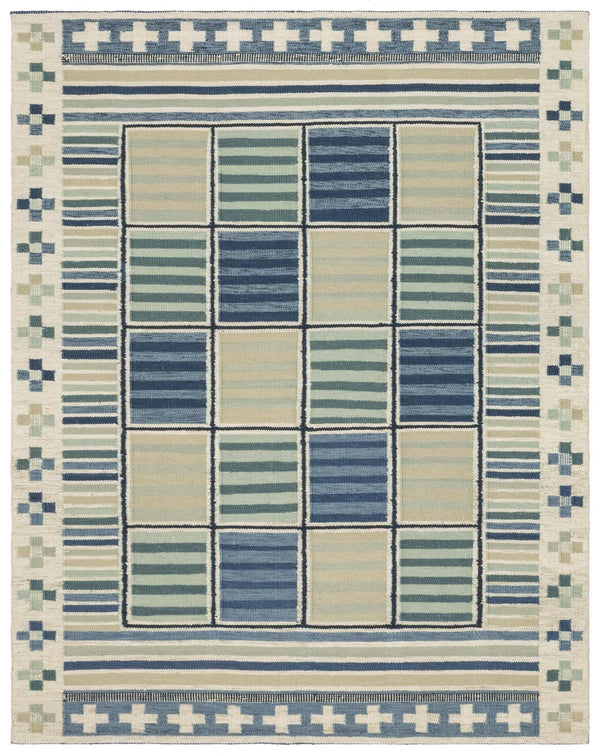 Sold out Scandinavian Handwoven Contemporary Rug, J81285 $3,350.00
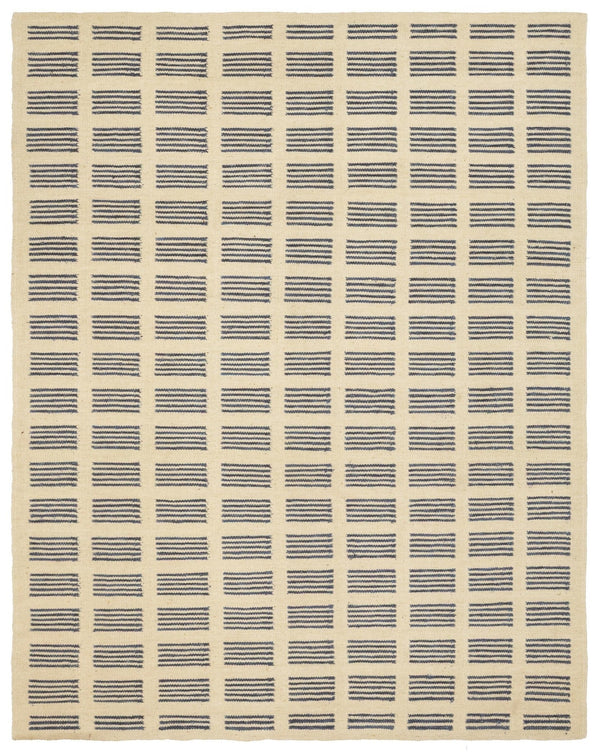 Sold out Scandinavian Handwoven Contemporary Rug, J80968 $3,450.00
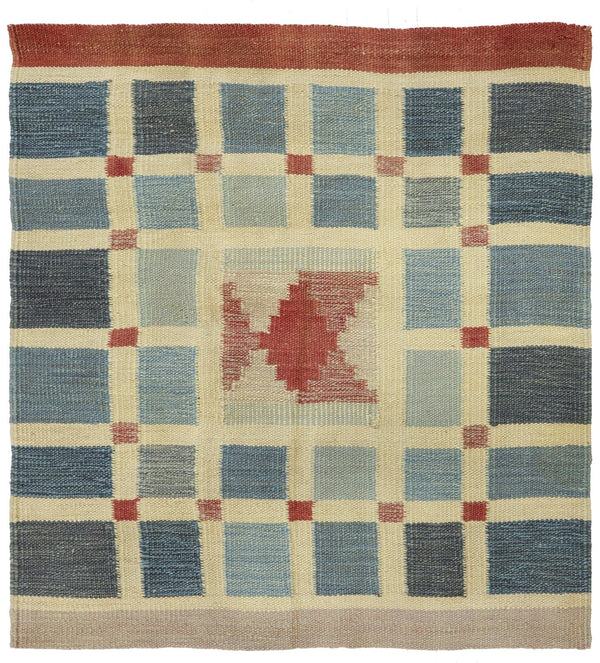 Scandinavian Handwoven Contemporary Rug, J81001 $450.00
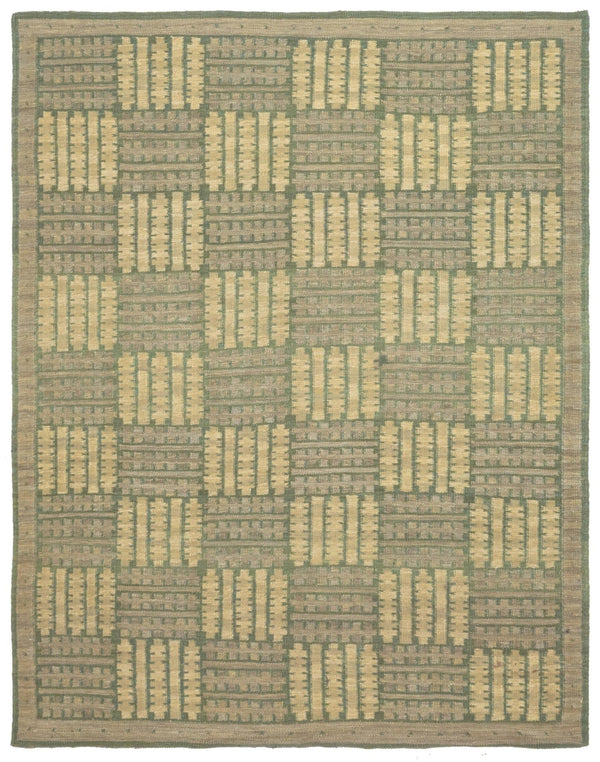 Sold out Scandinavian Handwoven Contemporary Rug, J80977 $3,450.00
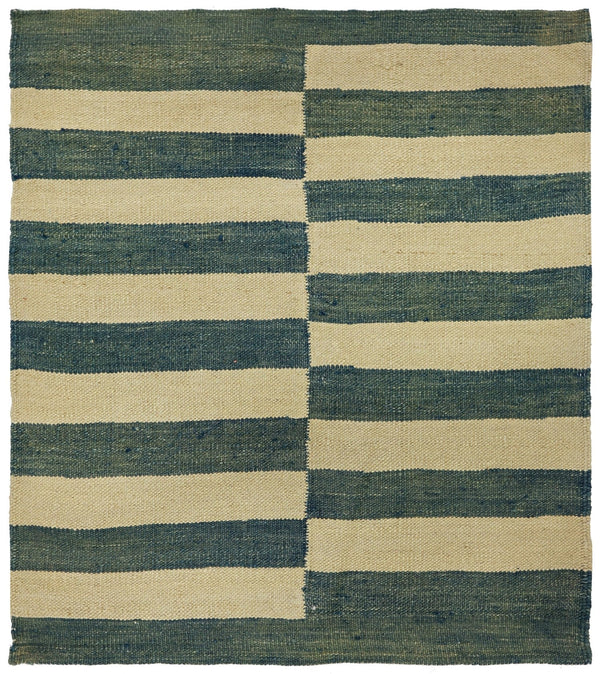 Sold out Scandinavian Handwoven Contemporary Rug, J80976 $500.00
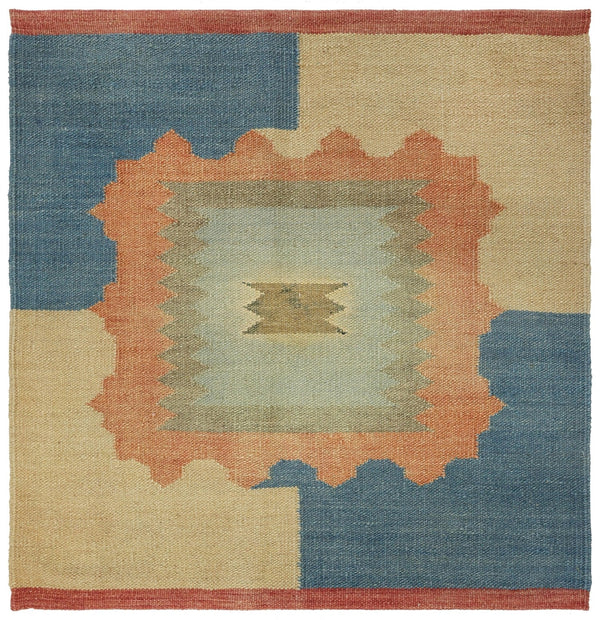 Scandinavian Handwoven Contemporary Rug, J80975 $450.00
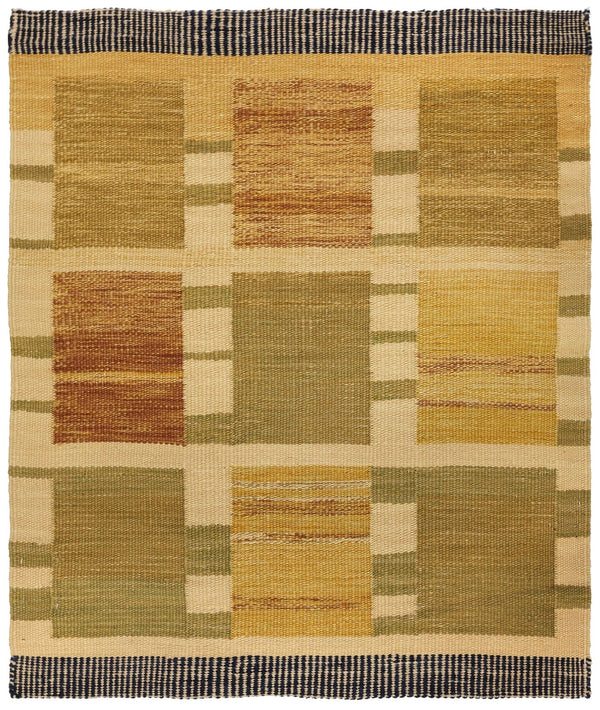 Scandinavian Handwoven Contemporary Rug, J80974 $400.00
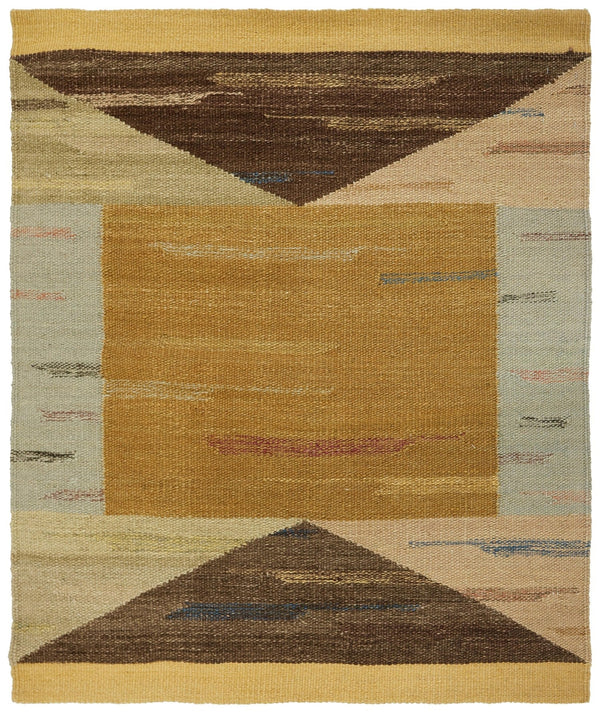 Scandinavian Handwoven Contemporary Rug, J80972 $450.00
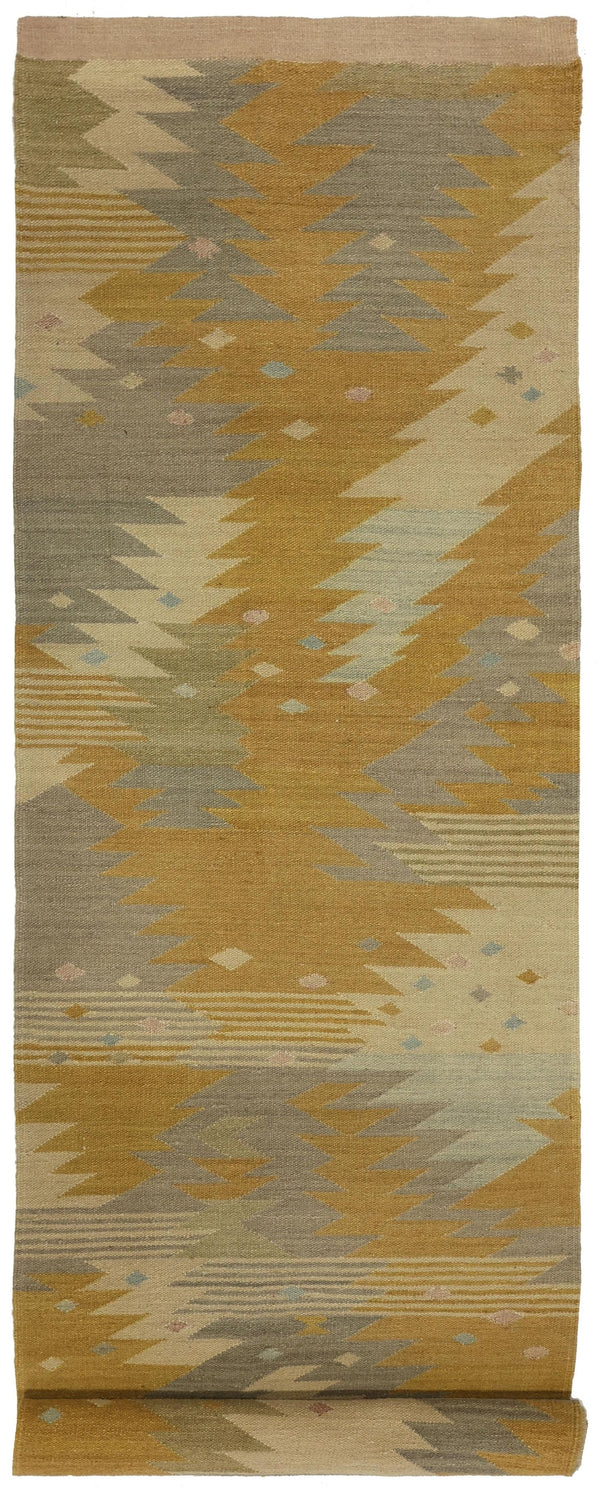 Scandinavian Handwoven Contemporary Rug, J80971 $1,550.00
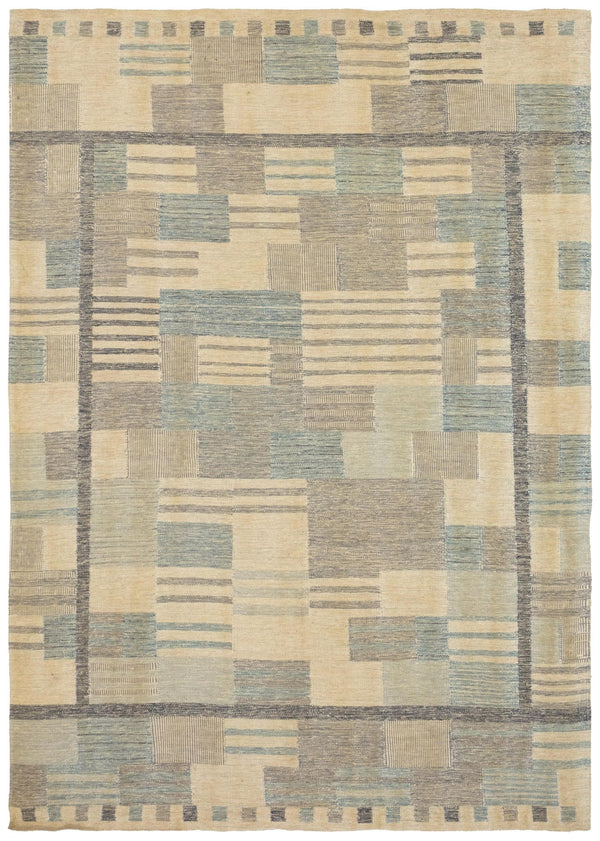 Scandinavian Handwoven Contemporary Rug, J80970 $5,600.00
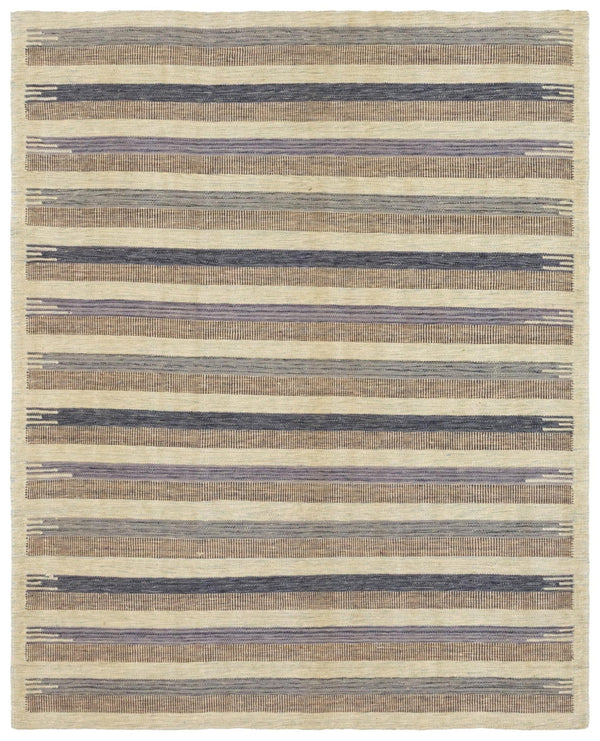 Sold out Scandinavian Handwoven Contemporary Rug, J80969 $3,250.00
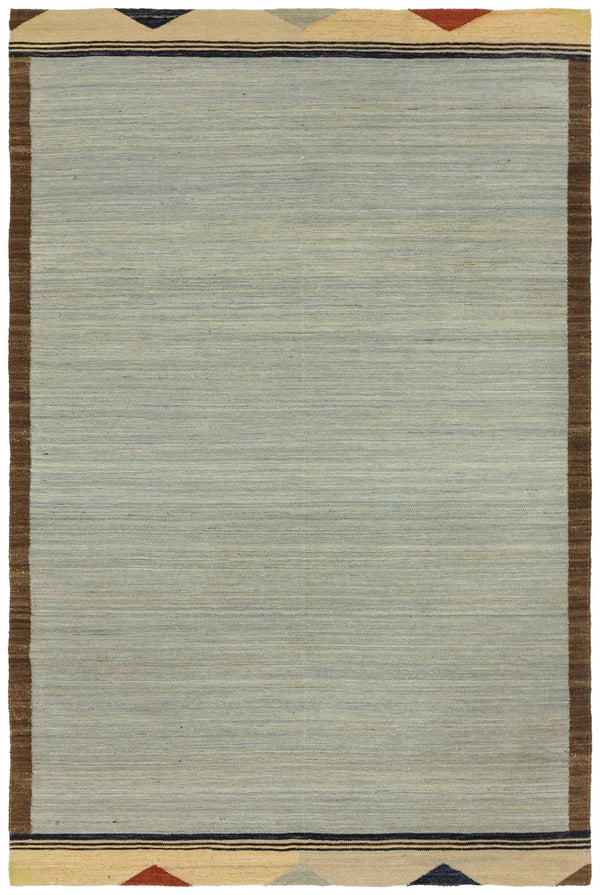 Scandinavian Handwoven Contemporary Rug, J80967 $2,850.00
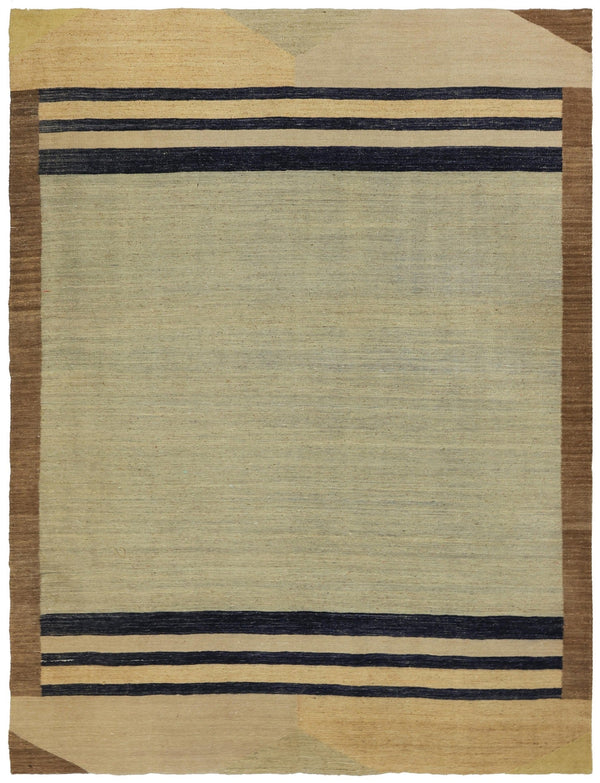 Scandinavian Handwoven Contemporary Rug, J80966 $3,200.00
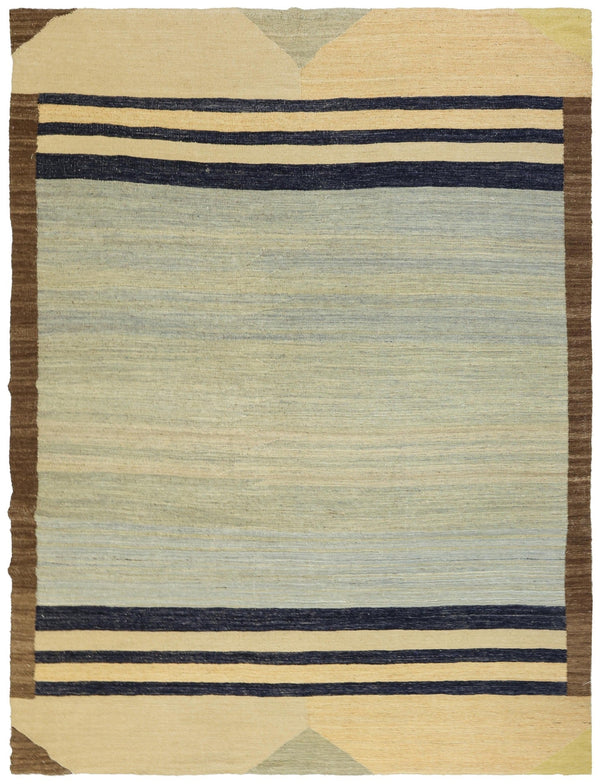 Scandinavian Handwoven Contemporary Rug, J80965 $3,250.00
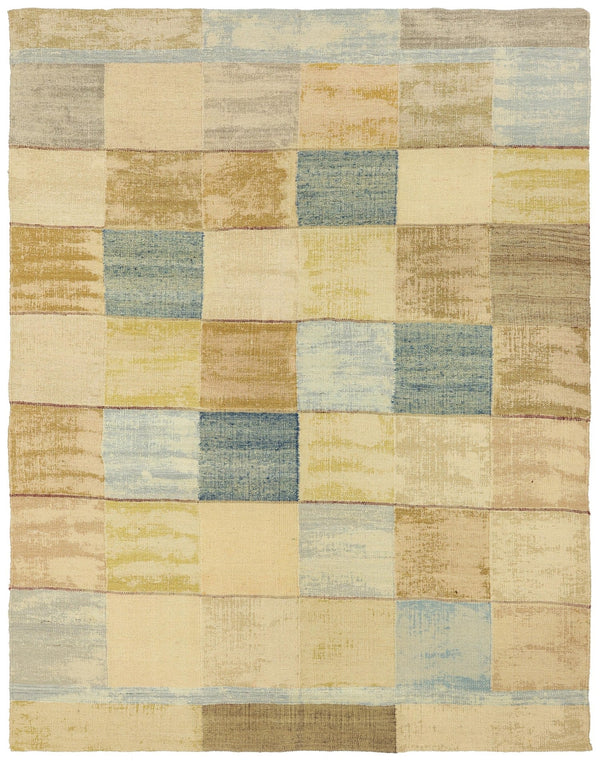 Scandinavian Handwoven Contemporary Rug, J80963 $2,150.00
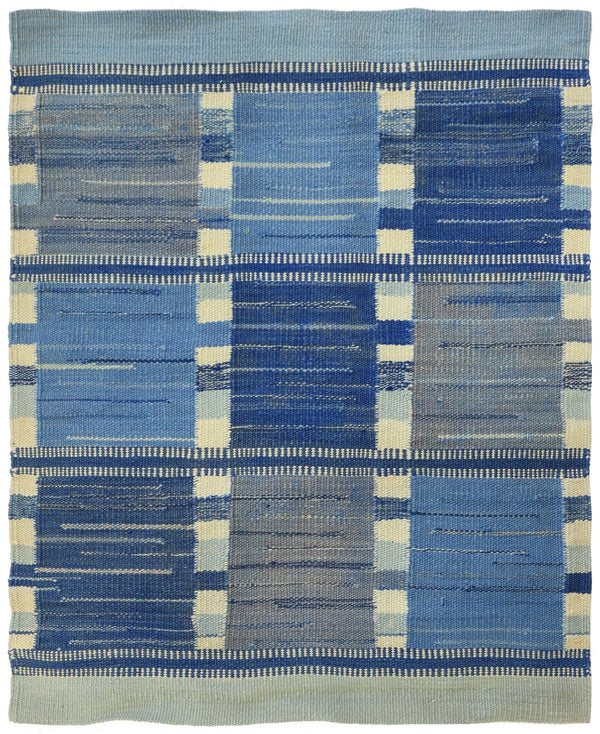 Scandinavian Handwoven Contemporary Rug, J80962 $450.00
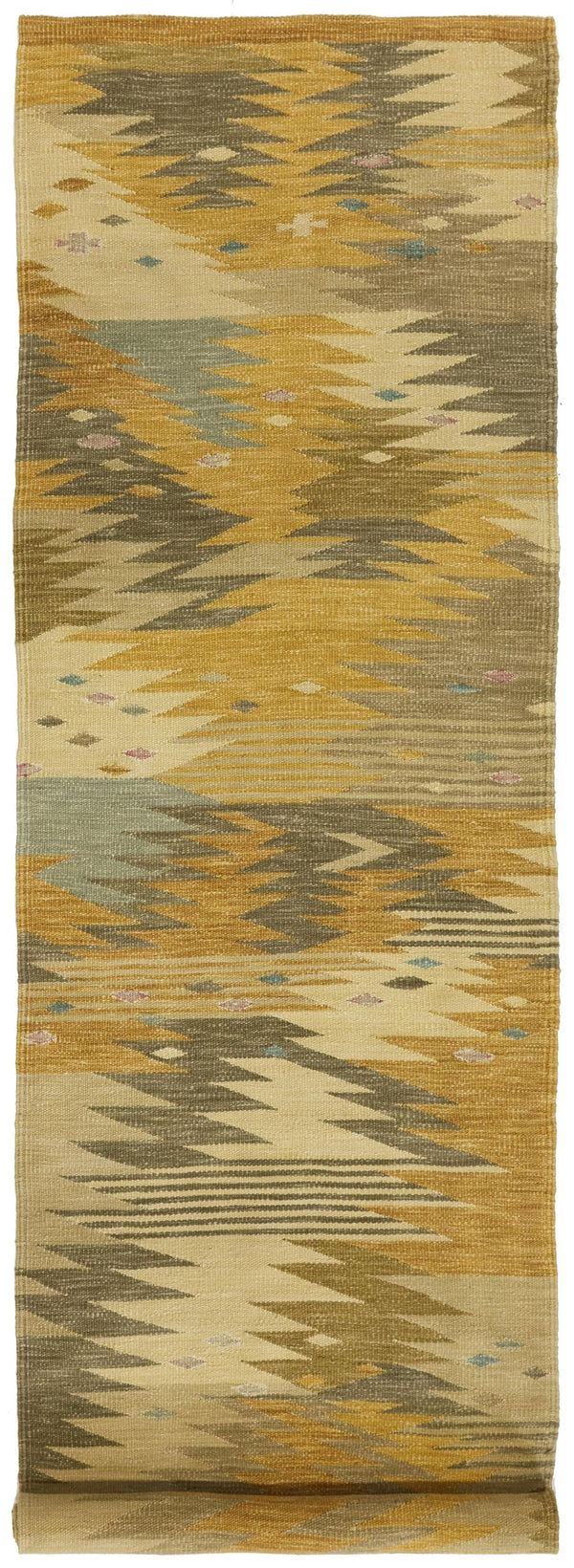 Scandinavian Handwoven Contemporary Rug, J80959 $1,500.00
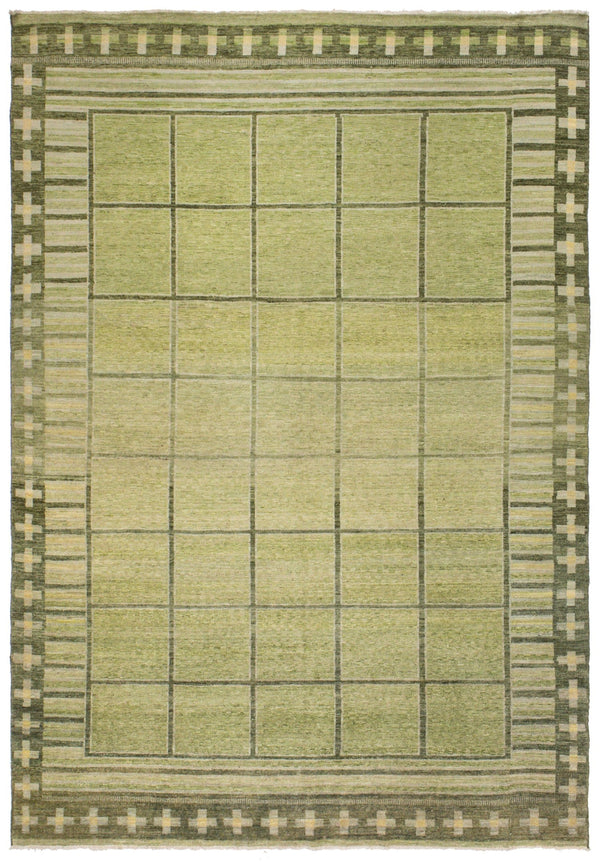 Scandinavian Handwoven Contemporary Rug, J80948 $8,400.00
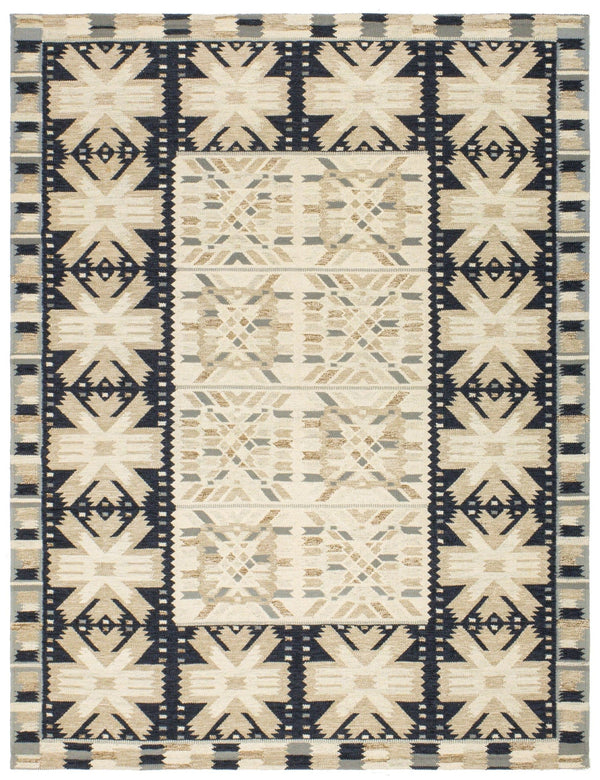 Scandinavian Handwoven Contemporary Rug, J80991 $900.00 Add to cart
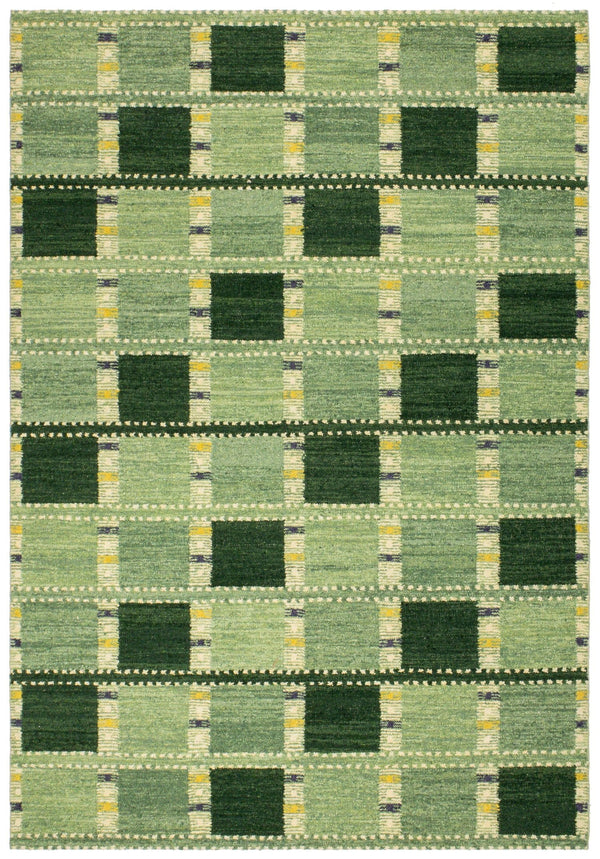 Scandinavian Handwoven Contemporary Rug, J80994 $1,350.00 Add to cart
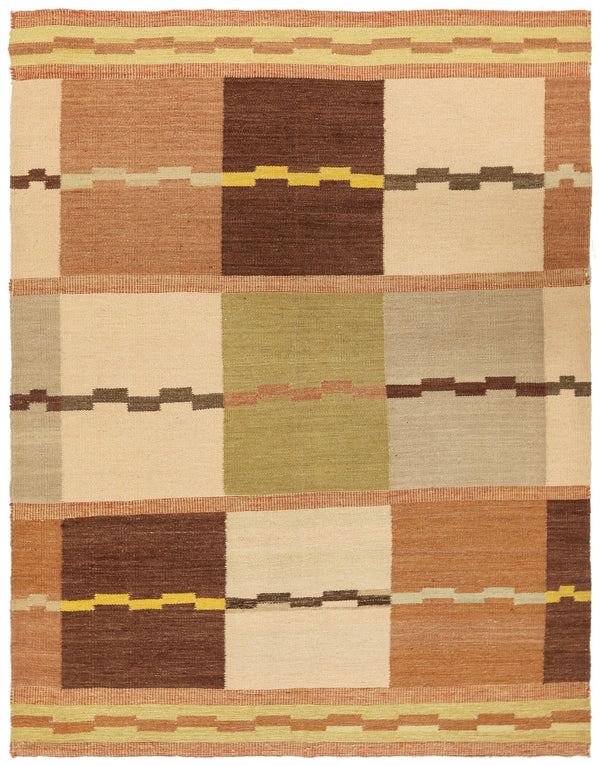 Scandinavian Handwoven Contemporary Rug, J80964 $1,900.00
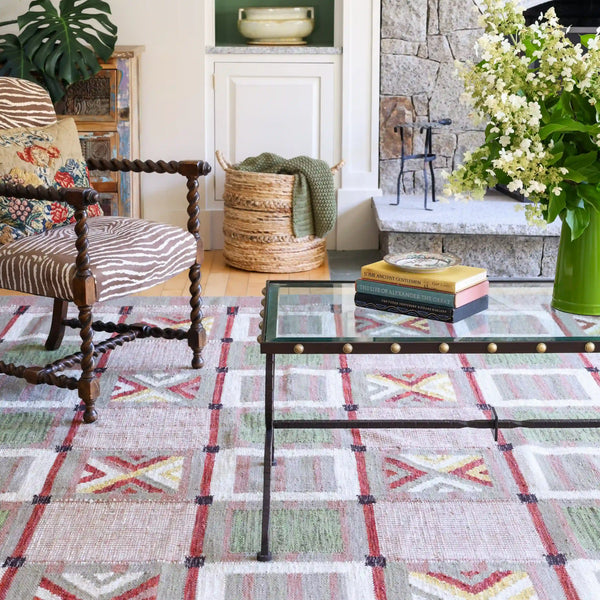 Scandinavian Handwoven Contemporary Rug, J80282 $900.00 Add to cart
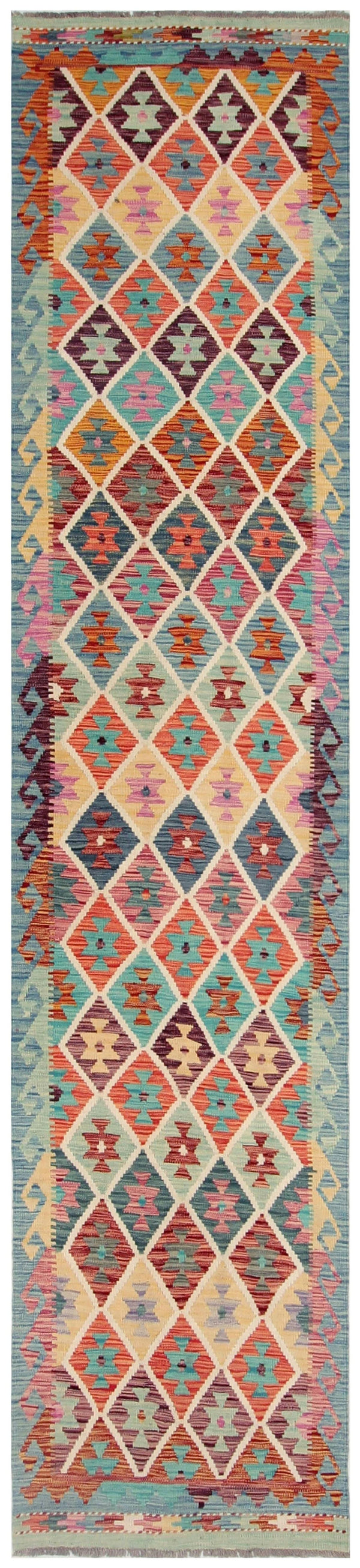 Sold out Uzbek Kilim Handwoven Tribal Rug, J80201 $700.00
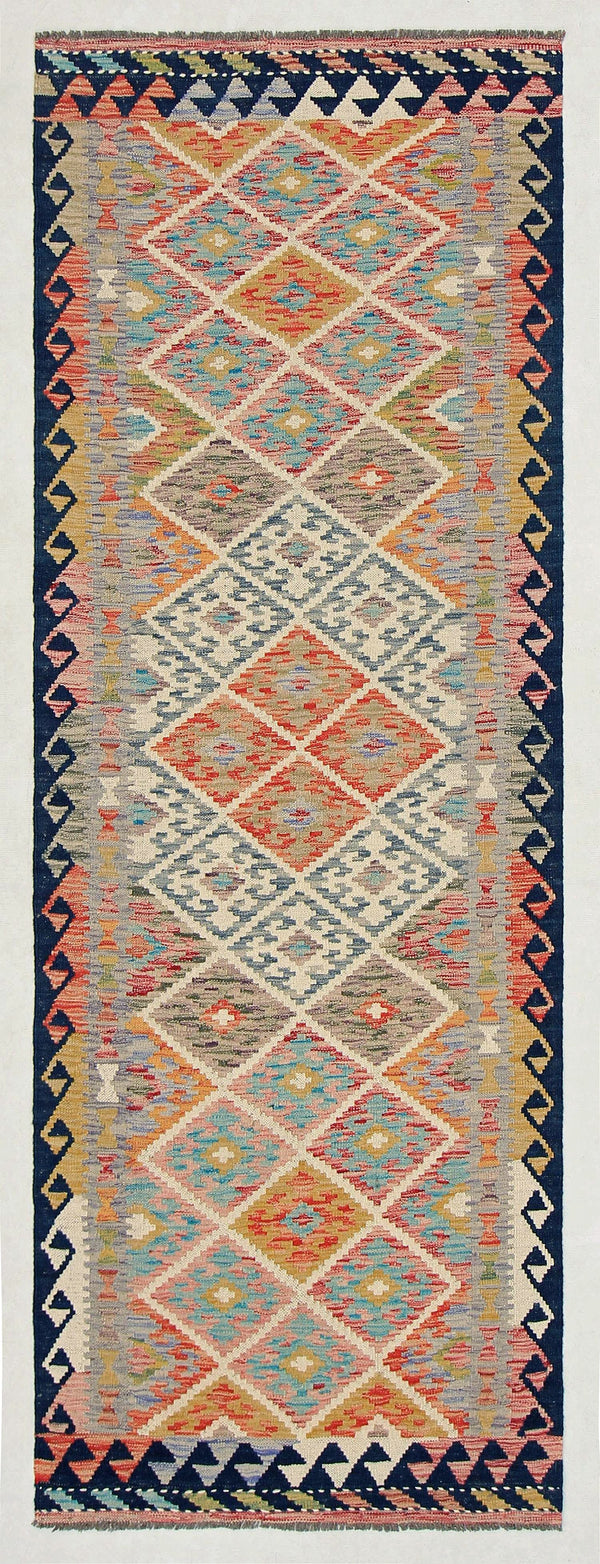 Sold out Uzbek Kilim Handwoven Tribal Rug, J80200 $500.00
